
What Is the Best Sample of Virtual Experiential Marketing?
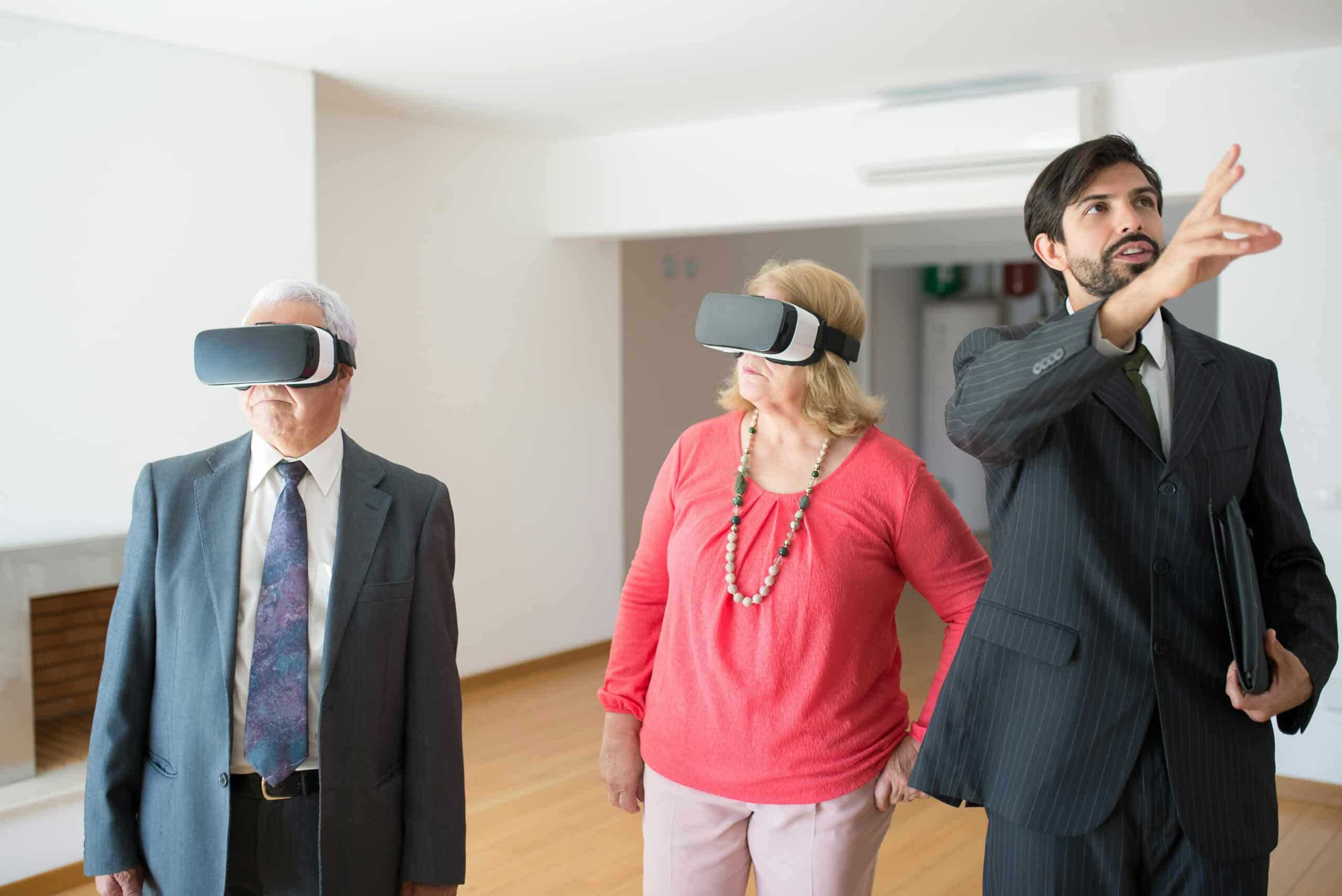
Virtual experiential marketing (VEM) is redefining how brands engage with their audiences by combining the power of digital innovation with immersive storytelling. In this article, we’ll showcase standout examples of experiential marketing and experiential marketing examples, including some of the coolest campaigns in the industry that have set new standards for audience engagement. Among the most compelling examples of VEM are Coca-Cola’s innovative campaigns, which stand as benchmarks for creative excellence. This blog explores the best samples of virtual experiential marketing, highlighting Coca-Cola’s groundbreaking efforts, and how brands can achieve similar success by partnering with experts like Towerhouse Global.
The Rise of Virtual Experiential Marketing
Virtual experiential marketing merges physical and digital realms through technologies like virtual reality (VR) and augmented reality (AR). A strong experiential strategy is essential for successful virtual experiential marketing, ensuring campaigns are thoughtfully planned, authentic, and measurable.
These campaigns go beyond traditional advertising, immersing audiences in brand stories in ways that foster emotional connections and memorable experiences. Engagement marketing and event marketing are integral to the evolution of experiential marketing, as brands increasingly focus on interactive and immersive experiences that drive active participation and deeper customer connections. Coca-Cola is at the forefront of this movement, leveraging AR and VR to create personalized, interactive campaigns that resonate globally.
Benefits of Experiential Marketing
Experiential marketing campaigns have become a cornerstone of modern marketing strategy, offering brands a powerful way to connect with their target audience and stand out in a crowded marketplace. Unlike traditional marketing, which often relies on passive consumption of messages, experiential marketing strategies actively involve potential customers, engaging their senses and emotions to create memorable experiences that foster brand loyalty.
One of the most significant benefits of experiential marketing is its ability to boost brand awareness and leave a lasting impression. By inviting customers to participate in immersive experiences, whether through pop-up shops, interactive installations, or virtual and augmented reality activations, brands can draw attention and encourage genuine engagement. These experiential marketing events not only attract customers but also inspire them to share their experiences on social media, amplifying reach through branded hashtags and user-generated content.
Experiential marketing tactics such as guerilla marketing campaigns and brand activations enable companies to forge emotional connections with their audience. This deeper level of engagement often translates into increased customer loyalty and advocacy, as participants are more likely to become brand ambassadors after a positive, on-brand experience. For example, interactive marketing campaigns at major events like the FIFA World Cup have demonstrated how immersive experiences can captivate global audiences and increase brand awareness on a massive scale.
The integration of virtual reality and augmented reality has further elevated the impact of experiential marketing, allowing brands to create engaging experiences that transcend physical boundaries. These technologies enable marketers to reach new demographics, gather actionable insights through data collection, and refine their marketing funnel for future campaigns. By leveraging these tools, brands can deliver interactive campaigns that resonate with both in-person and online audiences.
Successful experiential marketing campaigns are built on a foundation of thorough market research and a clear understanding of the target audience. By aligning brand identity with the interests and values of potential customers, marketers can design experiences that not only attract attention but also drive meaningful customer engagement. Key elements such as a compelling narrative, interactive components, and seamless integration across multiple channels ensure that each campaign delivers maximum impact.
In today’s fast-evolving marketing landscape, experiential marketing best practices are essential for brands looking to create memorable experiences and achieve their business goals. Whether through live marketing events, digital ads, or innovative participation marketing, experiential marketers have a unique opportunity to increase customer engagement, foster brand loyalty, and ultimately drive sales. As more brands recognize the value of these strategies, experiential marketing is poised to play an even greater role in shaping the future of brand experience and customer relationships.
Coca-Cola’s Virtual Reality Activations
Coca-Cola’s VR campaigns have set a gold standard for virtual experiential marketing by providing an interactive experience for attendees. One notable initiative took place during a major global sporting event, where Coca-Cola used VR to ensure visitors were actively involved in engaging challenges that blended entertainment with brand messaging. The campaign engages customers by capturing their responses and interactions, creating buzz and deepening their connection with the brand.
The ‘Hydr8′ Initiative
Coca-Cola’s “Hydr8” experiential campaign exemplifies how the brand uses AR and VR to promote healthy hydration and product engagement. By leveraging immersive technology and gamified challenges, the campaign actively engages the customer’s senses, such as sight and sound, to create memorable, interactive experiences. The campaign introduced gamified elements, encouraging participants to complete hydration-focused challenges while contributing to charitable causes. This omnichannel approach not only enhanced brand perception but also underscored Coca-Cola’s commitment to social responsibility.
Other Exemplars of Virtual Experiential Marketing Campaigns
While Coca-Cola has led the charge, other brands have also implemented noteworthy VEM campaigns. Virtual events, pop up shops, and pop ups have become popular formats for experiential marketing, especially in major cities, as brands seek to maximize visibility and audience engagement through both physical and digital experiences.
For example:
Netflix’s “Stranger Things Experience”: Netflix transformed a venue into Hawkins, the fictional town from Stranger Things. Participants navigated iconic settings and used their “powers” to interact with the storyline. The campaign’s immersive nature generated widespread attention and increased fan engagement, particularly by targeting young women as part of its demographic strategy.
Apple’s #ShotOniPhone Challenge: Apple’s ongoing campaign highlights its technology’s capabilities by encouraging user-generated content. By integrating simple participation mechanics and showcasing results in high-profile spaces, Apple created an engaging and viral experiential initiative that aimed to build loyal customers through ongoing engagement.
These campaigns are strong examples of ground marketing, which focuses on creating immersive, interactive brand experiences to foster deeper connections with audiences.
Lessons From Coca-Cola and Beyond: Building Brand Loyalty
Leverage Technology
Brands must embrace VR, AR, and other emerging tools to create unforgettable customer experiences. Coca-Cola’s use of these technologies demonstrates their potential to build emotional resonance and loyalty. Experiential marketing is effective because it creates meaningful connections, increases engagement, and often results in a successful experiential marketing campaign that stands out from traditional approaches.Storytelling Is Key
Campaigns like “Hydr8” and the Stranger Things experience underscore the importance of a compelling narrative. Stories captivate audiences, leaving lasting impressions that drive long-term engagement. Reviewing experiential marketing examples from leading brands can provide valuable insights and inspiration for your next marketing campaign.Interactive Gamification
Adding gamified elements enhances participation and excitement. Coca-Cola’s challenge-based initiatives exemplify how gamification can elevate campaigns while promoting core brand values. Many brands have succeeded or failed in these areas based on the strength and integration of their marketing efforts.
Many marketers overlook the importance of follow-up after engagement events, missing opportunities to nurture leads and maintain relationships. Compared to traditional methods like a print ad, experiential marketing delivers deeper engagement and brand loyalty, especially when integrated with channels such as email marketing to promote and support the campaign.
Planning an engagement marketing campaign as part of your overall marketing strategy is essential for maximizing impact and building lasting customer relationships.
How Towerhouse Can Help With Experiential Marketing Strategies
Towerhouse Global specializes in creating innovative marketing solutions that rival industry leaders like Coca-Cola. By integrating cutting-edge technologies and crafting unique narratives, Towerhouse can help your brand deliver virtual experiential marketing campaigns that captivate audiences and leave lasting impressions. Whether through gamified AR experiences or VR activations tailored to your brand’s identity, Towerhouse ensures every campaign is impactful, shareable, and scalable.
Virtual experiential marketing represents the future of brand engagement, with Coca-Cola demonstrating its transformative potential. By adopting similar strategies and collaborating with experienced partners like Towerhouse Global, your brand can lead the charge in this dynamic space, creating memorable experiences that not only attract attention but also foster enduring consumer relationships.
Frequently Asked Questions
What makes virtual experiential marketing different from traditional digital campaigns?
Virtual experiential marketing focuses on immersion rather than just visibility. Instead of simply seeing an ad, users interact with a brand in a digital environment. This creates a deeper, more memorable connection.
Do virtual experiences really create the same impact as in-person events?
They can, when done right. With the right mix of storytelling, interactivity, and technology, virtual experiences can feel just as engaging. In some cases, they even reach wider audiences and last longer.
Why are brands investing more in VR and AR experiences?
Because these technologies make experiences more dynamic and interactive. They allow users to explore, play, and engage in ways traditional formats can’t offer. This leads to stronger emotional connections.
What role does gamification play in virtual experiential marketing?
Gamification adds a layer of fun and motivation to participate. It encourages users to stay engaged longer and interact more deeply with the brand. This makes the experience both enjoyable and memorable.
How can brands ensure their virtual campaigns don’t feel impersonal?
By focusing on storytelling and personalization. Even in a digital space, experiences should feel relevant and tailored to the user. That’s what turns interaction into connection.
Step Into the Future of Brand Experiences
Virtual doesn’t have to mean distant, it can mean deeper, smarter, and more engaging. With Towerhouse Global, you can create digital experiences that feel real, interactive, and impossible to ignore.