
14 Examples of Augmented Reality Brand Experiences
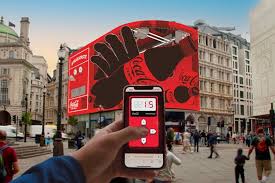
As technology and marketing continue to evolve, brands are looking for new and innovative ways to engage consumers. One of the most powerful tools in experiential marketing today is augmented reality (AR). By seamlessly blending digital experiences with the real world, AR allows brands to offer immersive, interactive experiences that enhance brand engagement, increase customer loyalty, and drive conversions.
When combined with digital marketing, AR becomes even more powerful, helping brands bridge the gap between online and offline experiences. Whether it’s through AR-powered retail experiences, interactive packaging, or virtual product trials, brands across various industries are using AR to bring their products and services to life.
In this article, we’ll explore 14 cutting-edge examples of AR brand experiences, and how Towerhouse Global can help businesses implement experiential marketing strategies that integrate AR for maximum impact.
1. IKEA Place – Virtual Furniture Try-On
📌Brand: IKEA
📌Industry: Home & Furniture
📌How It Works:
IKEA’s AR-powered app allows users to place 3D furniture models in their homes, giving them a realistic view of how furniture fits before making a purchase.
✔Why This Works:
✅Reduces uncertainty in online shopping.
✅Enhances customer confidence and purchase decisions.
✅Blends digital marketing with real-world home shopping.
2. Sephora Virtual Artist – AR Makeup Try-On
📌Brand: Sephora
📌Industry: Beauty & Cosmetics
📌How It Works:
Sephora’s AR app lets users virtually try on different makeup products, see how they look in real-time, and purchase directly through the app.
✔Why This Works:
✅Eliminates the need for in-store product testing.
✅Encourages impulse purchases via digital marketing campaigns.
✅Increases online engagement with beauty enthusiasts.
3. Nike Fit – AR Shoe Sizing
📌Brand: Nike
📌Industry: Footwear & Apparel
📌How It Works:
Nike Fit uses AR scanning technology to measure a user’s feet and recommend the best shoe size.
✔Why This Works:
✅Reduces return rates by ensuring a better fit.
✅Enhances the digital shopping experience.
✅Encourages user-generated content and social sharing.
4. Pepsi Max’s AR Bus Stop Ad
📌Brand: Pepsi Max
📌Industry: Beverages
📌How It Works:
Pepsi installed AR screens in bus stops, where waiting commuters saw lifelike digital illusions—such as UFOs, wild animals, and explosions—through the glass.
✔Why This Works:
✅Turns a mundane waiting experience into a brand activation.
✅Creates viral buzz and social media engagement.
✅Drives experiential marketing without requiring physical products.
5. Burger King’s “Burn That Ad” Campaign
📌Brand: Burger King
📌Industry: Fast Food
📌How It Works:
Burger King launched an AR mobile app campaign where users could point their phones at a competitor’s ad and watch it burn in flames, revealing a free Whopper coupon.
✔Why This Works:
✅Encourages brand engagement in a fun, competitive way.
✅Boosts app downloads and customer participation.
✅Integrates experiential marketing with digital advertising.
6. Hyundai’s AR Car Showroom
📌Brand: Hyundai
📌Industry: Automotive
📌How It Works:
Hyundai created an AR showroom experience, allowing potential buyers to view and explore car models from their phones.
✔Why This Works:
✅Saves customers a trip to the dealership.
✅Increases engagement with new car models.
✅Strengthens digital marketing campaigns by offering an interactive tool.
Looking to showcase cutting-edge product innovations across multiple major international markets? Explore how we executed a synchronized global rollout across five key cities in our Google Global Innovation Summit & Technology Showcase case study.
7. Ray-Ban’s Virtual Try-On for Sunglasses
📌Brand: Ray-Ban
📌Industry: Fashion & Eyewear
📌How It Works:
Customers can try on different sunglasses virtually using their camera before buying online.
✔Why This Works:
✅Reduces uncertainty in e-commerce purchases.
✅Encourages social sharing and brand exposure.
✅Blends digital marketing with real-time personalization.
8. Gucci’s AR Sneaker Try-On
📌Brand: Gucci
📌Industry: Fashion & Footwear
📌How It Works:
Gucci’s AR-powered app lets users try on sneakers digitally, helping them visualize how different styles look.
✔Why This Works:
✅Creates a luxury digital shopping experience.
✅Drives mobile app engagement.
✅Encourages social sharing and influencer participation.
Ready to elevate your retail and lifestyle brand with immersive, multi-city activations? Discover how we brought iconic brand visions to life across Paris, Tokyo, New York, Dubai, and Milan in our Louis Vuitton Global Luxury Brand Immersion case study.
9. The New York Times’ AR Journalism
📌Brand: The New York Times
📌Industry: Media & Publishing
📌How It Works:
The NYT developed AR news stories, allowing readers to experience interactive 3D visual storytelling through their smartphones.
✔Why This Works:
✅Enhances reader engagement with immersive storytelling.
✅Encourages longer content interaction.
✅Elevates digital marketing strategies for news media.
10. Coca-Cola’s AR Holiday Campaign
📌Brand: Coca-Cola
📌Industry: Beverages
📌How It Works:
Coca-Cola created AR-enabled holiday packaging, where customers could scan a Coke can to unlock festive animations and personalized messages.
✔Why This Works:
✅Turns packaging into an interactive experience.
✅Enhances emotional connection with consumers.
✅Blends digital marketing with in-store purchases.
11. Disney’s AR Storytelling Books
📌Brand: Disney
📌Industry: Entertainment & Publishing
📌How It Works:
Disney created AR-enhanced children’s books, where characters came to life when viewed through a mobile device.
✔Why This Works:
✅Enhances children’s reading experience.
✅Boosts sales of physical books through digital marketing.
✅Encourages interactive learning.
12. Adidas AR-Enabled Sneakers
📌Brand: Adidas
📌Industry: Footwear & Fashion
📌How It Works:
Adidas launched sneakers with QR codes that unlock exclusive AR content, including sneaker history and styling tips.
✔Why This Works:
✅Adds extra value to product purchases.
✅Creates a digital extension of physical products.
✅Encourages repeat engagement.
13. Netflix’s Stranger Things AR Experience
📌Brand: Netflix
📌Industry: Entertainment
📌How It Works:
Netflix created an AR portal experience, allowing fans to explore Hawkins, Indiana, and interact with Stranger Things characters.
✔Why This Works:
✅Deepens fan engagement with immersive content.
✅Drives streaming subscriptions through interactive storytelling.
✅Creates social media buzz around new releases.
14. Towerhouse Global’s Custom AR Activations
📌Brand: Towerhouse Global
📌Industry: Experiential Marketing
📌How It Works:
Towerhouse Global helps brands create custom AR activations for product launches, trade shows, and retail experiences.
✔Why This Works:
✅Transforms marketing campaigns into interactive experiences.
✅Engages consumers in a memorable way.
✅Seamlessly integrates with digital marketing strategies.
📩Contact Towerhouse Global today to create a high-impact AR brand experience that captivates audiences and drives engagement! 🚀