
Event Management Tips for a Seamless Experience
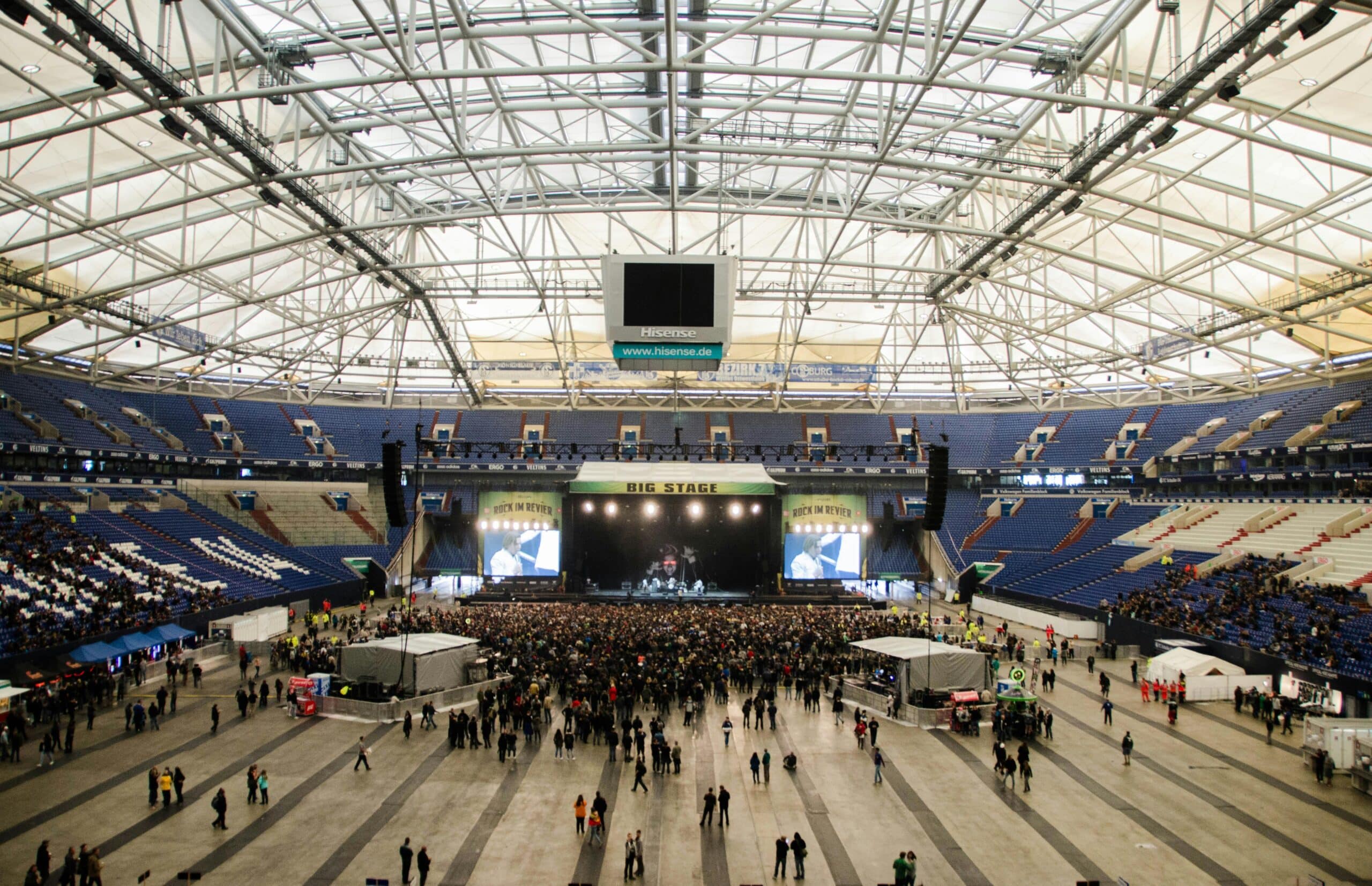
Clearly define the purpose of your event, whether it’s to raise brand awareness, generate leads, or foster networking. Setting clear event goals is essential, as these objectives will guide your event design, content, and success metrics. Having clear goals will shape your event marketing strategy, help allocate your budget, and determine the appropriate format. It will also guide the overall planning process, from selecting your venue to crafting your social media campaigns.
An efficient event management platform can make a world of difference. These platforms help automate various event-planning tasks like registration, ticketing, and communications. Top-tier platforms provide all the tools needed to effectively plan and manage events, including integrations for event technology and communication. Many platforms also offer tools for managing attendee data, tracking RSVPs, and integrating with email and social media campaigns. Event technology, such as mobile apps and digital tools, helps event organizers and event professionals streamline the event management process. If you’re hosting a hybrid event, choose a platform that supports both in-person and virtual elements to engage all attendees in real-time.
Budget management is key to event planning. Create a detailed budget that covers all aspects, including venue rental, technology, staffing, food and beverage, and marketing. Allocating funds to the right areas ensures there are no surprises during the planning process. You may also want to keep a buffer for unexpected costs that may arise closer to the big day.
Using a comprehensive event planning checklist ensures you keep track of each element that needs to be addressed. Divide tasks into categories like logistics, communications, marketing, and attendee engagement, and assign deadlines for each task. Meeting planning and program development are essential for ensuring meetings, press conferences, and trade shows are well-organized. Having everything in writing will help your event planner stay on top of their game and avoid any last-minute chaos.
An event app is a valuable tool for real-time communication with attendees. Apps can provide schedules, speaker information, interactive maps, and networking opportunities. Additionally, an app can offer real-time updates and reminders during the day of the event, ensuring attendees stay engaged and informed. Event apps can also be used to engage prospective attendees and support risk management through real-time updates. Many event apps also provide tools for audience polling, Q&A sessions, and social media integration to boost interaction.
The quality of food and beverage can significantly impact your event. Whether it’s a corporate breakfast or a networking luncheon, make sure the food suits the event’s tone and your attendees’ needs. Consider dietary restrictions and preferences when creating your menu, and choose vendors who are reliable and deliver high-quality service. Creativity in menu design and the involvement of third party vendors play a crucial role in delivering a memorable and high-quality experience. If you’re planning a hybrid event, you may want to explore creative ways to engage remote attendees, such as offering meal vouchers or virtual cooking demonstrations.
For in-person and hybrid events, reliable technology is non-negotiable. Whether it’s for presentations, livestreams, or interactive features, ensure that all tech components are tested in advance. Nothing disrupts a corporate event like a technical glitch in the middle of a keynote speech. It’s essential to test your AV systems, virtual meeting platforms, and any mobile apps well ahead of the day of the event. Having an IT team on standby can save you from headaches in case any issues arise during the event. Essential skills and knowledge are needed to ensure the event runs smoothly, especially when managing events across various industries.
Once your event is over, the work doesn’t stop. Post-event evaluations are crucial for identifying areas of improvement for future events. Send out surveys to your attendees, either through email or your event app, to gather feedback. This not only shows your audience that you value their input but also helps you refine your strategy for the next corporate event. Don’t forget to analyze your event marketing results, including engagement rates from your social media campaigns, email open rates, post-event attendee follow-ups, and sales data. Analyzing attendee feedback and sales outcomes informs future event planning and can improve career opportunities for event planners and event professionals.
Effective event management requires detailed planning, strategic marketing, and strong logistical coordination. The skills needed and essential skills for successful event managers include organization, communication, creativity, and adaptability. Career development and hospitality management programs help students prepare for diverse career opportunities in event management. Understanding different event types, such as corporate events, trade shows, and press conferences, is important, as event planners and event organizers must adapt their approach for each. Risk management is vital for ensuring successful events and requires coordination with third party vendors. Managing events requires collaboration among event professionals, event planners, and event organizers to deliver a seamless experience. Creativity and event design are crucial for engaging participants and making events memorable. Whether you’re managing a small corporate gathering or a large hybrid event, following these tips will help you plan an event that runs smoothly and leaves a lasting impression on your attendees. From creating a checklist to leveraging the right tools, thoughtful preparation is the key to ensuring your event is a success.
The Role of an Event Manager
Event managers are the driving force behind the entire event management process, orchestrating every detail from the initial concept to the final wrap-up. Their expertise lies in seamlessly coordinating logistics, managing budgets, and applying creative solutions to bring successful events to life. Event managers stand out in the fast-paced world of hospitality and events thanks to their exceptional organizational skills and attention to detail. They are responsible for ensuring that every element, whether it’s scheduling, vendor coordination, or on-site execution, comes together to create a memorable experience. By overseeing the entire event, event managers transform ideas into reality, ensuring that each event is not only well-planned but also engaging and impactful for all participants.
Setting Clear Objectives and Goals
For event managers, setting clear objectives and goals is the foundation of a successful event planning process. Defining the event’s primary purpose, be it education, celebration, promotion, or networking, guides every decision throughout the event management process. By establishing specific, measurable goals, event managers can track progress and evaluate the event’s success against key benchmarks. Aligning these goals with the broader mission of the organization ensures that the entire event remains relevant and focused. This clarity helps event managers create a strategic roadmap, keeping all stakeholders aligned and ensuring that every aspect of planning and execution is geared toward achieving the desired outcomes.
Budgeting and Financial Planning
Effective budgeting and financial planning are at the heart of the event management process. Event managers must develop a comprehensive budget that accounts for every potential expense, from venue rental and catering to audiovisual needs and entertainment. Utilizing event management software and other digital tools allows event managers to monitor spending in real time, ensuring that the event stays within budget and resources are allocated efficiently. Planning for contingencies by setting aside a reserve fund helps event managers handle unexpected costs without compromising the quality of the event. By staying organized and leveraging management software, event managers can create a financial plan that supports the event’s goals and delivers value to clients and attendees alike.
Venue Selection and Management
Choosing the right venue is a pivotal step in the event planning process, and event managers play a key role in making this decision. They must evaluate venues based on location, capacity, amenities, and accessibility to ensure the space aligns with the event’s needs and the expectations of the target audience. Once the ideal venue is selected, event managers work closely with venue staff to coordinate logistics, negotiate contracts, and address any technical or operational requirements. Effective venue management also means being prepared to problem solve on the spot, adapting to any challenges that arise to keep the event running smoothly. By carefully managing every aspect of the venue, event managers help create an environment that enhances the overall experience for attendees.
Hybrid Events and Virtual Events
The rise of hybrid and virtual events has transformed the events industry, offering new opportunities for event managers to reach broader audiences and deliver innovative experiences. Hybrid events blend in-person and virtual participation, allowing attendees to engage from anywhere while still enjoying the benefits of face-to-face interaction. Virtual events, meanwhile, provide a flexible and cost-effective way to connect with participants across the globe. Event managers must leverage the latest event management technology and software to execute events in these formats, ensuring seamless integration of technical aspects such as livestreaming, interactive tools, and reliable internet connectivity. By mastering the art of managing both hybrid and virtual events, event managers can create engaging, accessible, and memorable experiences that meet the evolving needs of clients and attendees.
Frequently Asked Questions
What’s the first thing to get right in event management?
Clarity of purpose is everything. When goals are clearly defined, every decision, from budget to design, becomes easier to align. It sets the foundation for a smooth and focused event.
How important is technology in modern event management?
Technology plays a major role in streamlining logistics and communication. From registration platforms to event apps, it helps organizers stay organized and responsive. When used well, it enhances both efficiency and attendee experience.
What’s one detail that can make or break an event experience?
Execution on the day of the event is critical. Even with great planning, poor coordination or technical issues can disrupt everything. That’s why testing, rehearsals, and having the right team in place are essential.
Why is budgeting more than just tracking expenses?
A well-managed budget is about prioritizing what matters most. It ensures resources are allocated where they’ll have the greatest impact. It also helps avoid last-minute surprises that can affect the overall experience.
What happens after the event is over, does event management stop there?
Not at all, the post-event phase is just as important. Gathering feedback and analyzing results helps improve future events. It’s also a chance to strengthen relationships with attendees and stakeholders.
Great Events Feel Effortless, Because They’re Expertly Managed
Behind every seamless event is thoughtful planning, smart coordination, and the right team making it all happen. With Towerhouse Global, you get more than execution, you get precision, creativity, and a partner who ensures every detail works exactly as it should.