What is Event Marketing?
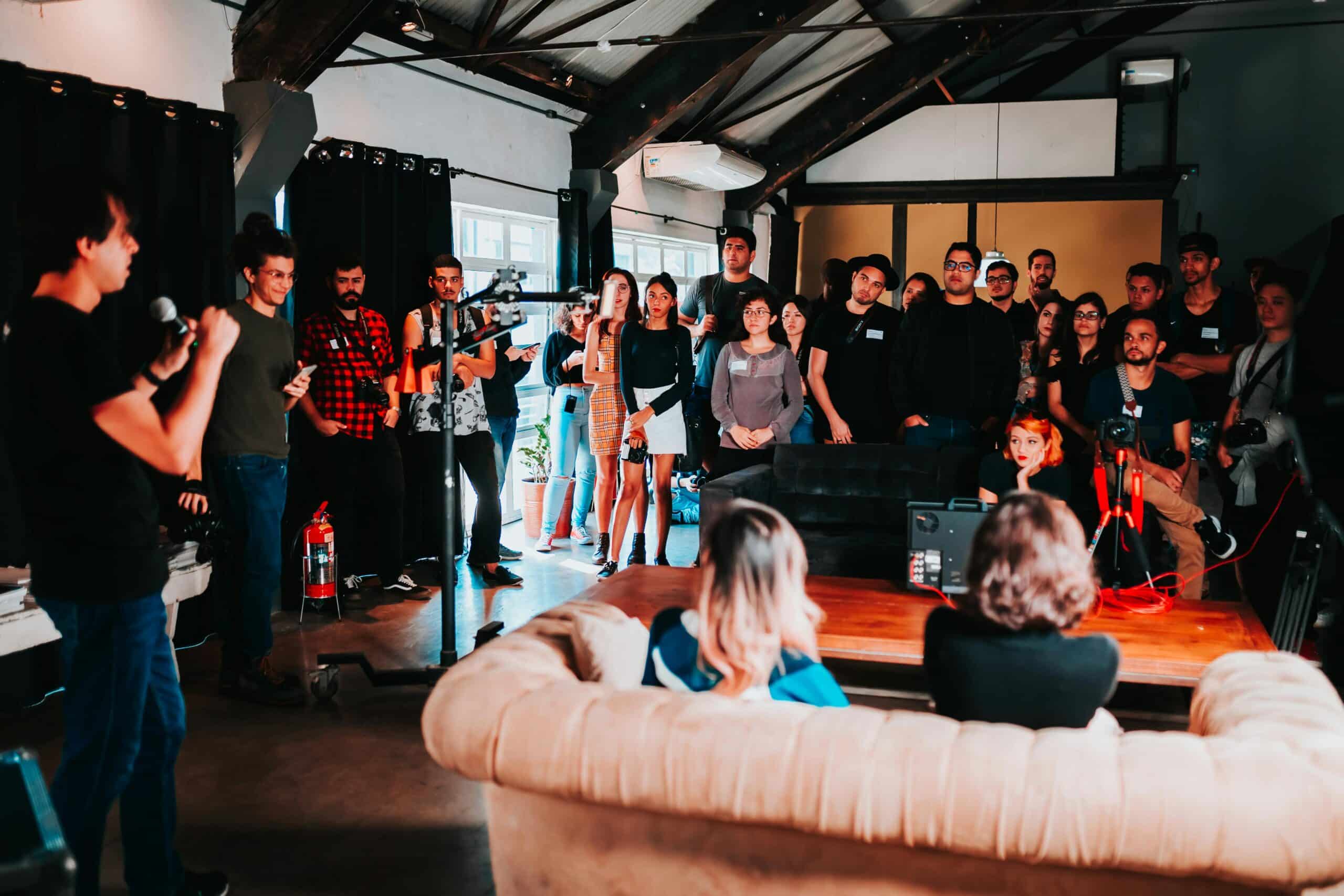
Event marketing is a promotional strategy that uses in-person or virtual events to engage an audience and build brand awareness. It involves hosting, attending, or sponsoring events that allow brands to connect with potential customers in a more direct, impactful way. These events can range from trade shows and conferences to product launches, live events, and webinars. By providing real-time interactions and face-to-face communication, event marketing creates memorable experiences that help reinforce a brand’s identity and messaging.
This article serves as a complete guide to event marketing, offering a comprehensive resource for planning and managing effective event strategies.
Why Event Marketing is Important
In today’s digital marketing landscape, where email campaigns and social media posts can often feel impersonal, event marketing allows brands to interact with their target audience on a more personal level. By participating in future events, companies can create authentic connections with event attendees, fostering relationships that go beyond what digital marketing can achieve. Live events enable brands to build emotional connections, showcase their brand product or service, and support broader business objectives such as increasing sales or brand awareness.
Event Marketing Strategy and Strategies
To successfully leverage event marketing, businesses must develop a well-thought-out strategy. Using the right tools is essential to maximize the effectiveness of your event marketing strategy, from planning to execution. Additionally, having knowledgeable marketing teams in place plays a crucial role in creating and delivering effective event content and experiences. This strategy should include:
Identifying the Right Type of Event: Whether it’s a trade show, conference, or product launch, the event should align with your brand’s goals and target audience. Understanding the nature of the event and its attendees is essential for creating relevant messaging and activities.
Promoting Your Event: Effective event promotion requires a mix of marketing channels such as email marketing, social media posts, and blog posts to drive awareness and attendance. Creating a dedicated registration page is a key touchpoint for sign-ups and provides essential event details, often featuring clear calls to action and incentives to boost attendance. Leveraging other platforms beyond the main social media channels helps maximize event promotion and reach a wider audience. Utilizing different channels ensures you engage your audience effectively, rather than relying on a single communication method. Using social media marketing is a no brainer due to its ease and effectiveness as a low-cost, impactful tool. Building buzz before the event is crucial for attracting attendees and ensuring a successful turnout.
Using Digital Marketing to Amplify Reach: While live events create meaningful in-person connections, integrating digital marketing channels such as social media and email can help you reach a broader audience. Posting live updates during the event, creating a social media campaign, or sending follow-up emails post-event can help sustain engagement and nurture leads.
Building Brand Awareness: Event marketing is a powerful way to build brand awareness by giving your audience a tangible, real-time experience of your product or service. Showcasing your offerings at a well-executed event can significantly increase visibility and establish your brand as a trusted authority in your industry.
Post-Event Engagement: Following up after the event is just as important as the event itself. Sending post-event surveys, thanking attendees via email, and posting event highlights on social media will help maintain connections and keep your brand top of mind for future events.
Know Your Audience: Tailoring your communication and engagement strategies to be attendees based ensures personalized outreach, which enhances attendee engagement and event success.
Types of Events for Event Marketing
Trade Shows and Conferences: These are some of the most common formats for event marketing. They provide businesses with a platform to showcase their products or services to a targeted audience. Trade shows, in particular, are excellent for generating leads and building brand visibility. These events can be held as in person events, virtual events, or hybrid formats, each offering unique opportunities for attendee engagement and reach.
Product Launches: Product launches are specifically designed to introduce a new brand product or service to the market. They allow brands to engage directly with potential customers and media representatives in a live setting, offering firsthand experiences. For online launches, virtual event marketing is crucial for promoting virtual events and maximizing audience reach and engagement.
Workshops and Seminars: Workshops and educational events offer brands the chance to share knowledge and expertise. Hosting an event of this nature can build trust and credibility while positioning the brand as an industry leader.
Pop-Up Shops: While typically associated with retail, pop-up shops can be used as an effective experiential marketing tool for brands to create buzz and build brand awareness through temporary, in-person engagements.
Annual Event: An annual event is a recurring gathering that takes place once a year, often featuring keynote speakers, networking opportunities, and strategic content. Annual events provide ongoing marketing and engagement opportunities, helping brands maintain visibility and foster long-term relationships with their audience.
The Benefits of Event Marketing
Face-to-Face Interactions: In a world dominated by digital communication, face-to-face events allow for personal connections that build stronger relationships between brands and consumers. These interactions can often lead to higher conversion rates and increased loyalty. Connecting attendees through networking opportunities and event apps before and during the event further enhances engagement and community building.
Immediate Feedback: Live events give brands the opportunity to receive real-time feedback from attendees. Whether through live Q&A sessions, post-event surveys, or casual conversations, this direct feedback can be invaluable for refining your products, services, and marketing strategies. Leveraging survey data from sources like beacons, NFC, and Google Analytics helps gather deeper insights to improve future events.
Lead Generation: Events provide brands with the chance to generate high-quality leads. Event attendees are often more interested and engaged, making them more likely to convert into paying customers. The personal interaction at events helps build trust, facilitating the sales process. Tracking attendance rates and ticket sales is essential for measuring event success and ROI. Effective event marketing can attract more attendees and help achieve revenue goals. Having a clear value proposition and communicating clear value to attendees and stakeholders is crucial for driving sign-ups and establishing strong relationships.
Brand Exposure: Participating in large-scale events like trade shows and conferences allows brands to reach a wide audience. Additionally, these events often attract media coverage, which can further amplify your reach and visibility. Leveraging advertising and marketing opportunities throughout the event lifecycle maximizes event reach and attendee conversion. It’s also important to consider other stakeholders, such as sponsors and partners, in your event planning to ensure their objectives are met.
Social Media Engagement: Events offer an excellent opportunity for real-time social media engagement. Encouraging attendees to share their experiences online can increase your event’s visibility and help build an organic social media presence for your brand. Using push notifications keeps attendees informed and engaged during the event.
Cost-Effective Formats: Hosting short, engaging webinars or providing on-demand content is a cost-effective way to maximize value for both your company and attendees, offering flexibility and continued engagement beyond the live event.
Virtual Event Marketing in the Digital Era
The rise of digital marketing has led to an increased demand for virtual and hybrid events. Virtual events allow brands to reach global audiences, eliminating geographical barriers and reducing costs associated with traditional event management. Collecting and analyzing event data is crucial for measuring event success, understanding attendee behavior, and improving future events. Staying up to date with event marketing trends, such as hybrid formats and immersive technologies, helps brands remain competitive and relevant. Machine learning can be leveraged to automate event marketing tasks, optimize workflows, and enhance attendee experiences. Digital innovation is making events more accessible and engaging, improving attendance and satisfaction for diverse audiences. Additionally, digital marketing channels like email marketing and social media posts play a significant role in promoting and engaging event attendees.
However, even in the digital age, the value of in-person events remains strong. Face-to-face interactions provide a level of engagement that digital marketing can’t always replicate, making them a vital component of a well-rounded marketing strategy. Fostering online engagement through digital tools and platforms, such as livestreaming and social media contests, can help bridge the gap and create meaningful connections with audiences.
Hybrid Events
Hybrid events are transforming the event industry by blending the best aspects of in-person and virtual experiences. This innovative approach gives event planners the flexibility to reach a broader target audience, as attendees can choose to participate either on-site or remotely. By offering both formats, hybrid events cater to diverse preferences and accessibility needs, ultimately boosting event attendance and engagement.
A successful hybrid event requires thoughtful event planning, with a focus on seamless integration between live and digital components. This might include live streaming keynote speakers, interactive virtual sessions, and networking opportunities for both in-person and online participants. By leveraging hybrid events as part of their marketing strategy, businesses can maximize attendee satisfaction, extend their brand’s reach, and create more inclusive events that drive meaningful connections.
For event planners, understanding the needs of their audience and setting clear event goals are essential to delivering a cohesive experience. Investing in the right technology and communication tools ensures that all attendees, regardless of how they join, feel engaged and valued. As hybrid events continue to shape the future of event marketing, they offer a powerful way to enhance engagement, increase ROI, and keep your brand at the forefront of industry trends.
Experiential Marketing
Experiential marketing takes event marketing to the next level by immersing attendees in memorable, hands-on experiences that foster deep emotional connections with your brand. Rather than simply presenting information, experiential marketing invites your target audience to actively participate, whether through interactive product demos, creative workshops, or engaging installations that spark curiosity and excitement.
This approach is all about engaging attendees in ways that resonate on a personal level, making your brand stand out in a crowded marketplace. By designing experiences that are both educational and entertaining, businesses can build lasting relationships with their audience, encourage word-of-mouth promotion, and inspire brand loyalty.
To succeed with experiential marketing, it’s crucial to understand your audience’s interests and preferences. Tailoring activities to their needs ensures that every interaction feels relevant and impactful. When executed well, experiential marketing not only delights attendees but also turns them into passionate advocates for your brand, amplifying your marketing efforts far beyond the event itself.
Event Platform
An event platform is an essential tool for modern event planners, providing a centralized hub for managing every aspect of your event marketing strategy. These platforms offer a wide range of features, from registration and ticketing to event scheduling, attendee communication, and real-time analytics. By streamlining event management, an event platform helps ensure event success and enhances engagement for both organizers and attendees.
Choosing the right event platform can make a significant difference in your marketing strategy. Look for solutions that offer scalability, customization, and seamless integration with your existing marketing tools. This allows you to tailor the platform to your specific needs, whether you’re hosting a small workshop or a large-scale hybrid event.
With robust analytics and reporting capabilities, event platforms empower event planners to track key metrics, measure ROI, and gain valuable insights into attendee behavior. This data-driven approach enables continuous improvement, helping you refine your event marketing strategy and deliver even more impactful events in the future.
Email Marketing for Events
Email marketing remains one of the most effective ways to promote events, engage attendees, and drive results. A well-crafted email marketing campaign can boost event attendance, keep your audience informed, and nurture relationships before, during, and after your event.
To maximize the impact of your email marketing efforts, focus on creating personalized, relevant content that speaks directly to your attendees. Use attention-grabbing subject lines, clear calls to action, and mobile-friendly designs to increase open and click-through rates. Automated email sequences can help you send timely reminders, share important updates, and deliver valuable resources to your audience.
Email marketing is also a powerful tool for post-event engagement. Sending thank-you notes, sharing event highlights, and distributing post-event surveys can help you gather feedback, measure attendee satisfaction, and maintain momentum for your next event. By integrating email marketing into your overall event marketing strategy, you can enhance engagement, drive conversions, and ensure your events deliver lasting value for your brand and your audience.
Creating a Guide to Event Marketing Success
When developing an event marketing strategy, assembling a strong planning team is crucial to ensure every aspect of the event runs smoothly and to create engaging behind-the-scenes content that connects with your audience. Consider these steps:
Define Your Goals: Are you looking to generate leads, build brand awareness, or promote a new product or service? Having clear goals will help guide your event marketing plan.
Know Your Audience: Tailor your event to your targeted audience’s needs and preferences. Identify and engage potential attendees through targeted messaging and personalized experiences to boost participation and interest. This ensures that your messaging and content resonate with event attendees.
Leverage Multiple Marketing Channels: Promote your event through email marketing, blog posts, social media campaigns, and even partnerships with influencers to maximize exposure.
Provide Real-Time Value: During the event, focus on creating meaningful, real-time interactions with attendees. Continue to promote and engage your audience even after the event begins to boost attendance, create FOMO, and generate valuable content for future marketing. Whether through product demonstrations, workshops, or Q&A sessions, delivering value in the moment can lead to stronger, long-lasting connections.
Follow Up After the Event: Keep the conversation going post-event with follow-up emails, surveys, and social media content. This will help you nurture leads and maintain relationships.
Event marketing is a powerful way to build relationships, generate leads, and promote your brand product or service. Whether you’re hosting a large trade show, launching a new product, or engaging customers through virtual events, developing a strong event marketing strategy is essential for creating impactful experiences and building brand awareness. As digital marketing continues to evolve, integrating both in-person and online event strategies will be key to staying relevant and achieving long-term success.
Frequently Asked Questions
What makes event marketing different from other marketing strategies?
Event marketing creates real-time, face-to-face or live interactions with your audience. Instead of just delivering a message, it builds experiences people can engage with. This makes it more memorable and impactful than many traditional tactics.
How far in advance should you start planning an event marketing campaign?
Strong campaigns usually begin weeks or even months ahead of the event. Early planning allows time for promotion, logistics, and audience targeting. The more prepared you are, the smoother and more effective the experience will be.
What’s the biggest factor that drives event attendance?
Clear value and strong promotion are key. People need to understand what they’ll gain from attending, whether it’s networking, learning, or entertainment. Strategic use of channels like email and social media can significantly boost turnout.
Why is post-event follow-up so important?
The real impact of an event often happens after it ends. Following up helps turn conversations into relationships and potential sales. Without it, valuable leads and momentum can quickly fade.
How can brands make their events more engaging?
Focus on interaction rather than just presentation. Activities, live demos, and immersive elements encourage participation. The more involved attendees feel, the more likely they are to remember the experience.
Make Every Event Count
A great event isn’t just about showing up, it’s about creating something people remember long after it’s over. With Towerhouse Global, you can turn your next event into a high-impact experience that captures attention, builds connections, and drives real results.