
Exploring AR & VR: The Future of Experiential Marketing
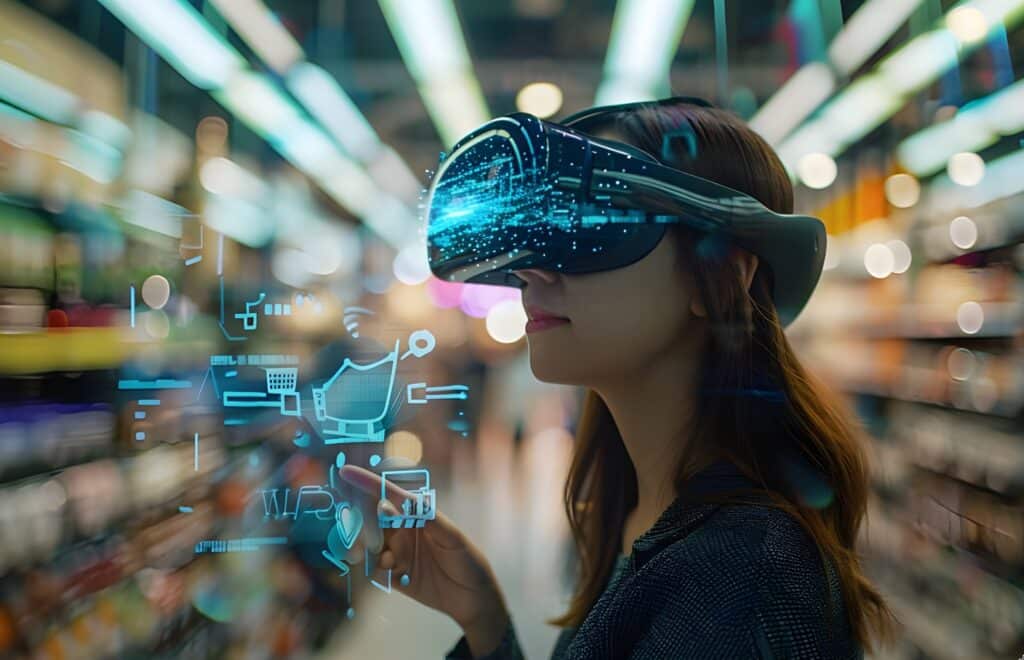
In an era defined by technological innovation, marketing is undergoing a seismic shift toward more interactive and engaging methods. Augmented reality (AR) and virtual reality (VR) are at the forefront of this transformation, offering brands the tools to create immersive experiences that captivate audiences and drive meaningful engagement. By enabling consumers to interact with products and services in dynamic ways, AR and VR redefine experiential marketing in the digital age.
This blog delves into the growing role of AR and VR in marketing, highlighting examples of their impact and explaining how collaboration with Towerhouse Global can empower brands to achieve similar success through innovative, cutting-edge strategies.
Introduction to Immersive Marketing
Immersive marketing is redefining how brands connect with their audiences by placing customers at the center of interactive, engaging experiences. As a specialized branch of experiential marketing strategies, immersive marketing leverages cutting-edge technologies like augmented reality (AR) and virtual reality (VR) to create brand experiences that go far beyond traditional advertising. Instead of simply telling a story, brands invite their target audience to become active participants, fostering emotional connections and leaving a lasting impression.
By integrating immersive marketing into their overall marketing strategy, brands can boost brand awareness and increase customer engagement in ways that static ads or conventional campaigns simply can’t match. Whether it’s a virtual try-on, an interactive pop up shop, or a fully immersive VR event, these memorable experiences help brands stand out in a crowded marketplace. The result? Stronger brand loyalty, deeper relationships with potential customers, and a reputation for innovation that resonates with today’s experience-driven consumers.
What Are Augmented Reality (AR) and VR in Marketing?
AR and VR are technologies that add a layer of interactivity to marketing campaigns. AR overlays digital images or information onto the real world via devices like smartphones, while VR immerses users in a completely virtual environment using headsets. These technologies are often used in interactive installations at events and retail spaces to create immersive brand experiences. Together, they provide a platform for brands to tell stories, showcase products, and engage with customers on a deeper level through interactive campaigns that foster deeper customer engagement.
For example, AR applications in retail often include “try before you buy” features, such as Sephora’s Virtual Artist, which allows customers to test makeup virtually. VR, on the other hand, has been used by companies like Marriott to provide virtual hotel tours, giving potential guests an immersive preview of their stay. Unlike traditional marketing, AR and VR are often central to an experiential campaign, where the audience actively participates rather than passively consumes content.
Benefits of Immersive Marketing
The advantages of immersive marketing are both immediate and long-lasting. By offering interactive experiences that mirror real-life scenarios, brands can make their messaging more relatable and impactful for their target audience. This approach not only increases customer engagement but also helps create memorable experiences that stick with consumers long after the campaign ends.
Immersive marketing is also a powerful tool for building emotional connections. When customers feel genuinely involved in a brand’s story, they’re more likely to develop loyalty and become advocates. Additionally, these experiences provide brands with valuable insights into customer preferences and behaviors, enabling more personalized and effective future campaigns.
Ultimately, immersive marketing empowers brands to differentiate themselves, foster deeper relationships, and stay ahead in a rapidly evolving digital landscape. By focusing on creating memorable experiences and emotional connections, brands can drive both immediate engagement and long-term brand growth.
The Growing Importance of AR and VR in Experiential Marketing
Enhanced Customer Engagement
AR and VR allow customers to actively participate in a brand’s story rather than passively consuming information. This interactivity fosters a stronger emotional connection to the brand. Research indicates that immersive experiences significantly increase customer recall and satisfaction compared to traditional marketing methods. For instance, Pepsi Max’s AR campaign transformed a London bus stop into a portal for thrilling experiences like alien invasions and tiger sightings. This interactive approach captured the attention of passersby and became a viral sensation on social media. Increasingly, AR and VR are featured in live events as part of event marketing strategies, providing both in person and virtual experiences that create memorable, interactive experiences for attendees.Realistic Product Visualization
These technologies excel in helping customers visualize products in context. AR allows consumers to place digital furniture in their homes (e.g., IKEA Place app) or visualize how clothing will fit without stepping into a dressing room. VR extends this by simulating experiences, such as walking through a home before construction is complete or test-driving a car without leaving the dealership. Experiential marketing campaigns and brand activations now leverage AR and VR to attract customers and increase brand awareness by offering engaging, interactive experiences that go beyond traditional advertising.Bridging Physical and Digital Worlds
AR and VR merge physical and digital experiences, creating hybrid campaigns that cater to the preferences of modern consumers. For instance, brands often integrate AR features into apps or websites to enhance e-commerce, allowing users to engage with products from the comfort of their homes. Experiential marketing events now often include both in person events and virtual experiences, enabling brands to reach wider audiences and adapt to changing consumer behaviors.
Brands use multiple channels to deliver interactive experiences that reinforce the brand’s messaging, ensuring that both in person and digital touchpoints are aligned for maximum impact. Integrating AR and VR into marketing efforts helps brands stand out in a crowded marketplace by offering innovative, memorable experiences that drive engagement and loyalty.
Target Audience for AR and VR Campaigns
Identifying the right target audience is crucial for the success of any AR or VR marketing strategy. While immersive experiences can appeal to a broad range of consumers, research consistently shows that younger demographics, particularly millennials and Gen Z, are especially receptive to these innovative approaches. These groups are not only tech-savvy but also value brands that offer engaging, interactive experiences.
Beyond age, individuals who are enthusiastic about technology, digital trends, and innovation are more likely to participate in AR and VR campaigns. Brands can use market research and data analysis to pinpoint the preferences, behaviors, and motivations of their ideal audience. By tailoring immersive marketing experiences to these insights, brands can ensure their campaigns resonate, drive engagement, and ultimately convert interest into action.
Understanding your target audience allows for the creation of AR and VR campaigns that are not only visually impressive but also strategically aligned with your brand’s goals, ensuring every immersive experience delivers maximum impact.
Successful AR and VR Experiential Marketing Campaigns
This section features experiential marketing examples and examples of experiential marketing that showcase how brands use immersive technology to engage audiences and drive brand loyalty.
Adidas: AR for Shoe Customization
Adidas implemented AR in select stores, allowing customers to customize their shoes in real time. By pointing their phone at a product, users could experiment with colors, designs, and patterns, making their shopping experience more personal and memorable. This is a great example of a successful experiential marketing campaign that is fully on brand for Adidas, seamlessly integrating technology and creativity to deepen customer connection. The campaign also encouraged user generated content by inviting shoppers to share their custom designs on social media using branded hashtags, amplifying reach and engagement. Adidas reported a positive revenue impact from increased in-store engagement and sales.
National Geographic: VR Storytelling
National Geographic used VR to transport viewers to some of the world’s most breathtaking landscapes, creating a sense of awe and wonder that resonated with its audience. This immersive storytelling was instrumental in raising awareness for their environmental conservation efforts. The campaign stands out as one of the coolest campaigns in the industry, offering a memorable, on-brand experience that encouraged user generated content as viewers shared their VR journeys online with branded hashtags, further boosting visibility and engagement.
Coca-Cola: AR-Powered Airstream Tours
Coca-Cola’s innovative AR-powered Airstream tours combined fun and functionality. Participants used AR glasses to interact with virtual elements of Coca-Cola’s story, creating a memorable experience that also reinforced the brand’s values of joy and connection. This is considered one of the coolest campaigns in experiential marketing, as it provided an immersive, on-brand environment that encouraged attendees to create and share user generated content on social media using branded hashtags. The campaign’s revenue impact was evident in increased product trial and positive brand sentiment.
How Towerhouse Global Can Amplify AR and VR Campaigns
Creating a successful AR or VR campaign requires more than just technical expertise, it demands a deep understanding of the brand’s identity, goals, and audience. That’s where Towerhouse Global excels. As leaders in experiential marketing, Towerhouse crafts immersive, impactful experiences tailored to each client’s unique needs. Experiential marketers at Towerhouse lead the planning and execution of these campaigns, ensuring every element is designed to foster engagement and measurable results.
Custom Solutions: Towerhouse collaborates with clients to conceptualize AR and VR experiences that align seamlessly with their brand narrative. Whether it’s an AR app for product visualization or a VR activation for an event, Towerhouse ensures that every detail enhances the customer experience. Towerhouse develops a comprehensive experiential strategy for each client, focusing on research, goal-setting, differentiation, authenticity, and post-campaign analysis to maximize brand exposure.
Event Integration: For live events, Towerhouse integrates AR and VR to create unforgettable moments. From interactive AR installations that educate attendees to VR simulations that transport them to new worlds, these technologies become the centerpiece of any event, driving engagement and boosting ROI. Experiential marketing best practices guide the creation of these impactful campaigns, ensuring they resonate with target audiences and foster brand loyalty.
Scalable Technology: Towerhouse designs campaigns that are as scalable as they are innovative. By leveraging accessible technology, they ensure that AR and VR experiences can reach a wide audience without sacrificing quality or impact. Towerhouse uses actionable insights from data analytics to continually refine and improve campaigns, demonstrating the crucial role of event technology and analytics in delivering successful experiential marketing initiatives.
Towerhouse also offers on-the-ground activations as part of their ground marketing approach, including guerilla marketing campaigns that use unconventional, attention-grabbing tactics to surprise and engage audiences in both physical and virtual environments.
The Road Ahead for AR and VR in Marketing Strategy
As AR and VR technologies continue to evolve, their potential applications in marketing are expanding. Here are some emerging trends:
AR Shopping
Brands are increasingly integrating AR into e-commerce platforms, allowing users to visualize products before purchase. This reduces return rates and increases customer satisfaction, making AR a valuable tool for online retailers. New experiential marketing tactics, such as interactive AR product demos and virtual try-ons, are helping many brands create memorable, immersive shopping experiences that go beyond what a print ad or even digital ads can offer.Virtual Events
The rise of virtual events has made VR an essential part of modern marketing. From virtual trade shows to interactive product launches, these experiences cater to global audiences while maintaining a sense of connection and exclusivity. Many brands are now incorporating AR and VR into their strategies for their next marketing campaign, but many marketers still overlook the importance of follow-up opportunities after these events, which can limit long-term engagement.Gamification
AR and VR are central to gamified marketing strategies, which use elements of play to engage customers. This trend is particularly effective for younger demographics, who are drawn to interactive and reward-based campaigns. Unlike a traditional print ad, which primarily conveys visual information, or digital ads, which may be limited to screens, immersive experiences allow brands to address the customer’s problem directly by providing interactive solutions that demonstrate real value.
Partnering with Towerhouse for Future Success and Brand Loyalty
As AR and VR become integral to experiential marketing, brands need a trusted partner to navigate this exciting frontier. Towerhouse Global brings the expertise, creativity, and technical know-how to help businesses unlock the full potential of immersive marketing.
By partnering with Towerhouse, brands can:
Design tailored AR and VR experiences that resonate with their audience.
Integrate immersive technology into live events for maximum impact.
Stay ahead of industry trends with innovative, future-focused strategies.
Conclusion
AR and VR are not just technologies of the future, they are transformative tools shaping the present. From enhancing customer engagement to bridging the gap between physical and digital worlds, these innovations are redefining how brands connect with their audiences.
By collaborating with Towerhouse Global, businesses can harness the power of AR and VR to create campaigns that captivate, inspire, and drive results. Ready to elevate your marketing strategy?
Contact Towerhouse today and explore the limitless possibilities of immersive marketing.
Frequently Asked Questions
How do AR and VR actually change experiential marketing?
They turn passive audiences into active participants. Instead of just seeing a campaign, people can interact with it in real time. This creates deeper engagement and stronger emotional connections.
Which is better for campaigns: AR or VR?
It depends on the goal of the experience. AR enhances the real world and is more accessible through phones, while VR fully immerses users in a digital environment. Both can be powerful when used strategically together.
Why do immersive experiences perform better than traditional ads?
Because they engage multiple senses and create memorable interactions. People are more likely to remember something they experienced rather than something they simply saw. This leads to stronger brand recall and engagement.
Can AR and VR experiences work for everyday brands, not just big ones?
Yes, these technologies are becoming more accessible and scalable. Brands can start with simple AR filters or interactive elements without huge budgets. The key is using them in a way that feels meaningful, not just flashy.
How do AR and VR help bridge online and offline marketing?
They connect physical experiences with digital extensions. For example, a live event can continue online through virtual interactions or shareable content. This creates a seamless journey across multiple touchpoints.
Go Beyond the Screen
AR and VR aren’t just trends, they’re changing how people experience brands. If you’re ready to create campaigns that people don’t just see but actually step into, it might be time to rethink what your brand experience can be.