
Exploring Coca-Cola’s Event & Experiential Marketing Success: A Blueprint for Brands
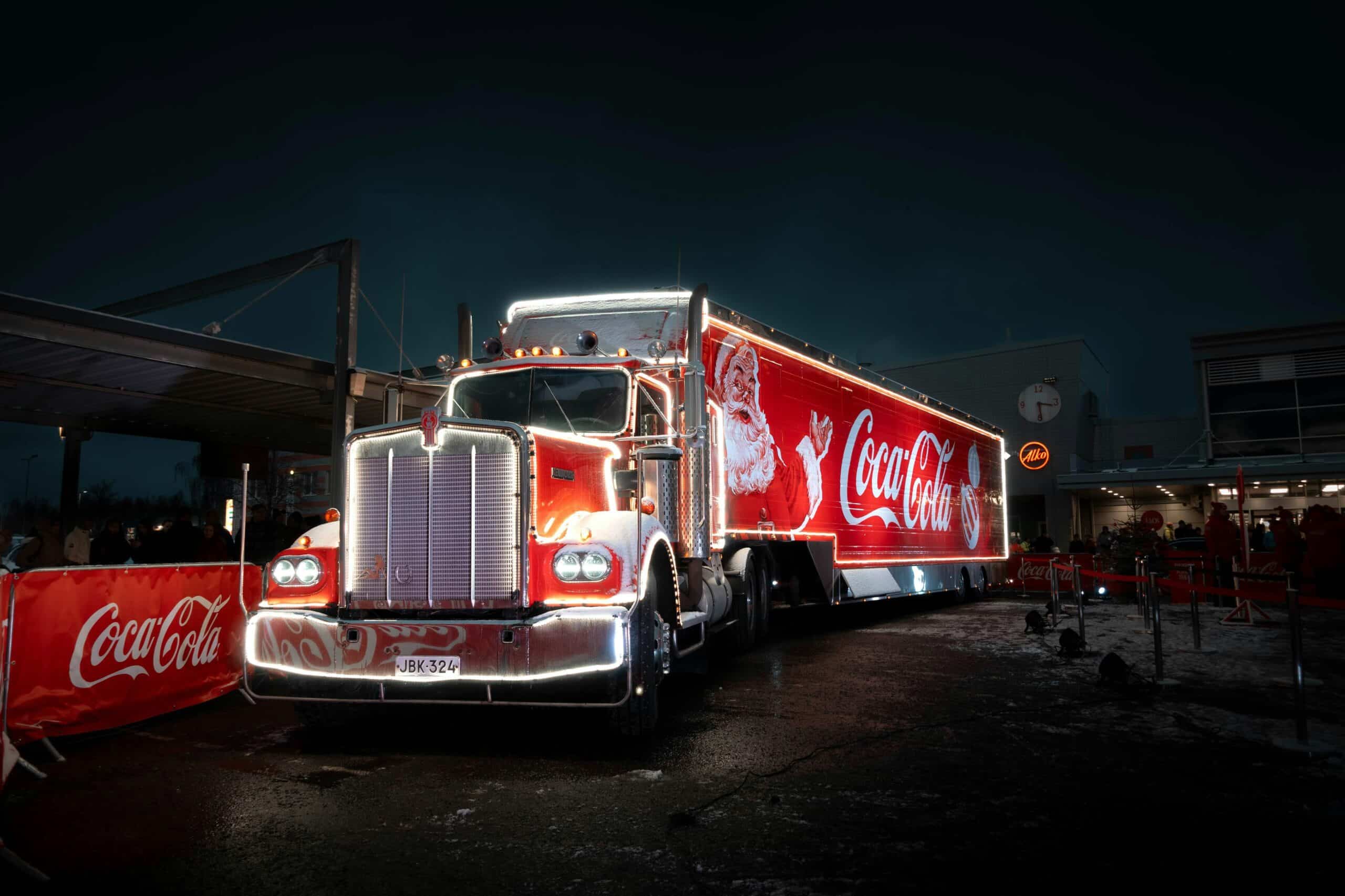
Why Experiential Marketing Works to Build Brand Loyalty
Experiential marketing goes beyond traditional one-way communication methods. Unlike traditional marketing, which relies on passive channels like commercials and print ads, experiential marketing creates interactive and immersive experiences that engage customers on a deeper level. By inviting customers to actively participate, brands can establish a personal and emotional brand connection that leaves a lasting impression. A study revealed that 80% of consumers prefer experiential interactions over traditional ads, with Coca-Cola being a prime example of how well this strategy works. Experiential marketing is a form of engagement marketing, focusing on interactive and personal experiences that foster deeper brand connections and increase participation, making engagement marketing highly effective for building loyalty and awareness. Engaging experiences like live events or pop-ups generate buzz and encourage word-of-mouth marketing while increasing customer engagement and fostering an emotional bond that increases brand loyalty. Experiential marketing is effective at influencing consumer behavior, as these memorable interactions shape how customers perceive the brand and make purchasing decisions, which is why experiential marketing is considered highly effective for driving awareness, loyalty, and viral reach.
Signature Experiential Marketing Campaigns by Coca-Cola
These are some of the most notable experiential marketing examples, each representing a unique experiential campaign that blends physical and digital experiences to engage consumers and reinforce brand identity.
1. Share a Coke
The Share a Coke campaign, which featured personalized names on bottles, became an interactive experience where consumers searched for their names or those of loved ones. Events around this campaign included customized bottle printing stations, making the experience personal and memorable. This campaign is a classic example of event marketing and interactive campaigns, carefully designed to align with Coca-Cola’s brand identity of sharing and connection. Market research played a key role in informing the campaign design, ensuring it resonated with target audiences.
2. Happiness Machines
Coca-Cola’s vending machines with surprise gifts delivered moments of joy. Whether giving away free soda or larger surprises like pizza or flowers, these installations became viral sensations, embodying Coca-Cola’s core value of happiness. Experiential marketers designed these installations to create memorable in person events and ground marketing activations that fostered direct engagement. Market research insights helped shape the interactive elements to maximize consumer delight.
3. Coke Airstream Pop-Ups
One of Coca-Cola’s more recent successes, the Coke Airstream Pop-Ups, involved mobile brand activations that brought unique experiences directly to consumers. These retrofitted Airstream trailers served as interactive spaces where visitors could enjoy beverages, participate in fun activities, and engage with branded content, demonstrating how mobile experiential marketing can reach diverse audiences. These pop-ups reached global audiences and combined digital experiences with in person events to maximize engagement. The campaign design was informed by market research to ensure relevance across different locations.
Coca-Cola has also used guerilla marketing campaigns and digital ads to amplify the reach of their experiential marketing, integrating both traditional and digital strategies to enhance campaign impact.
Measuring Experiential Marketing Success
Measuring the success of experiential marketing campaigns is essential for brands aiming to maximize impact and refine their marketing strategy. Unlike traditional advertising methods, experiential marketing efforts are designed to create immersive experiences and foster emotional connections with potential customers. To ensure these campaigns deliver real results, marketers must track a range of key performance indicators (KPIs) that reflect both immediate engagement and long-term brand loyalty.
A successful experiential marketing campaign often begins with clear objectives, whether the goal is to increase brand awareness, drive customer engagement, or strengthen customer relationships. Attendance and engagement metrics, such as the number of event participants, dwell time at interactive installations, and participation in pop-up shop activities, provide valuable insights into how well experiential marketing events are resonating with the target audience.
Social media engagement is another critical metric. Tracking branded hashtags, monitoring social media posts, and analyzing engagement rates can reveal how effectively experiential marketing tactics are generating buzz and extending the reach of your brand message. For example, virtual reality experiences and augmented reality activations often encourage attendees to share their memorable interactions online, amplifying the campaign’s impact far beyond the event itself.
Customer loyalty and advocacy are also important indicators of a successful experiential marketing strategy. By measuring customer retention rates, repeat participation in brand activations, and positive brand perception, marketers can assess how well their experiential marketing campaigns are fostering deeper emotional connections and building lasting relationships.
Return on investment (ROI) remains a key consideration. Marketers should evaluate revenue generated, cost savings, and lead generation to determine the overall effectiveness of their experiential marketing efforts. Actionable insights gained from these metrics can inform future campaigns, helping brands refine their experiential strategy and create even more engaging experiences.
To stay ahead, it’s vital to continuously innovate by incorporating the latest experiential marketing ideas, such as virtual reality, augmented reality, and interactive installations, into your marketing campaigns. By aligning experiential marketing tactics with brand values and leveraging experiential marketing best practices, brands can create memorable experiences that not only attract customers but also foster emotional connections and boost brand awareness.
Ultimately, measuring experiential marketing success is about more than just numbers; it’s about understanding how your marketing efforts create immersive, on-brand experiences that engage consumers and leave a lasting impression. By tracking the right KPIs and using actionable insights to guide future campaigns, brands can ensure their experiential marketing campaigns drive real results and build enduring customer loyalty.
Lessons for Other Brands: The Towerhouse Experiential Marketing Strategy Advantage
At Towerhouse Global, we believe experiential marketing should be about more than just entertainment, it should align with a brand’s mission and engage its audience on a deeper level. Effective experiential marketing starts with strategic planning and thorough market research to understand your target audience’s preferences, interests, and pain points. By partnering with Towerhouse, businesses can harness Coca-Cola’s proven strategies to create customized, immersive experiences.
How Towerhouse Can Help
The benefits of experiential marketing are well-documented
Emotional Connection: Experiences foster genuine relationships between consumers and brands, as seen in Coca-Cola’s campaigns
Brand Awareness: Immersive events generate buzz, helping brands reach larger audiences organically
Customer Loyalty: Unique experiences make brands memorable, encouraging repeat engagement.
Towerhouse’s marketing team specializes in building personal connections through experiential marketing, ensuring every campaign is tailored to create meaningful, lasting impressions.
Experiential marketing isn’t limited to global giants like Coca-Cola. Smaller brands can achieve impactful results by focusing on authenticity and creativity, qualities Towerhouse excels at delivering. Consider these strategies as you plan your next marketing campaign to stand out and create memorable customer experiences.
Closing Thoughts: Creating a Lasting Impression
Coca-Cola’s success in experiential marketing highlights the importance of crafting experiences that resonate emotionally, culturally, and socially. From leveraging nostalgia to embracing innovation, Coca-Cola sets an example of how brands can remain relevant and engaging in a competitive market. By collaborating with Towerhouse Global, businesses can replicate Coca-Cola’s success, using innovative strategies to create unforgettable experiences. Whether through pop-up activations, digital engagement, or immersive brand storytelling, Towerhouse has the expertise to help your brand stand out. Let’s create something extraordinary, together.
Frequently Asked Questions
Why do experiential marketing campaigns create stronger brand loyalty?
Experiential marketing builds emotional connections through real interactions. When people feel something positive during a brand experience, they’re more likely to remember it and stay loyal. These experiences often turn customers into advocates who share and recommend the brand.
What types of experiential marketing campaigns work best for loyalty?
Campaigns that involve participation, surprise, or personalization tend to be the most effective. Examples like interactive pop-ups or gamified experiences make people feel involved. The more personal and engaging the experience, the stronger the connection.
How does experiential marketing influence customer perception?
It allows customers to experience the brand directly instead of just hearing about it. This builds trust and shapes how they feel about the brand in a more authentic way. Positive experiences can significantly improve overall brand perception.
Can experiential marketing actually impact sales and ROI?
Yes, because emotional engagement often leads to higher conversion rates. When customers connect with a brand, they’re more likely to purchase and return. It also increases long-term value through loyalty and word-of-mouth.
What’s one overlooked factor in building brand loyalty through experiences?
Follow-up is often underestimated but incredibly important. Staying connected after the experience helps maintain the relationship. Without it, even great campaigns can lose long-term impact.
Turn One-Time Moments Into Long-Term Loyalty
Great experiences don’t end when the event does, they stay with your audience. If you’re looking to create campaigns that people remember, talk about, and come back for, it’s time to think beyond traditional marketing.