
Coca-Cola Blurs Borders with Experiential Marketing Stunts
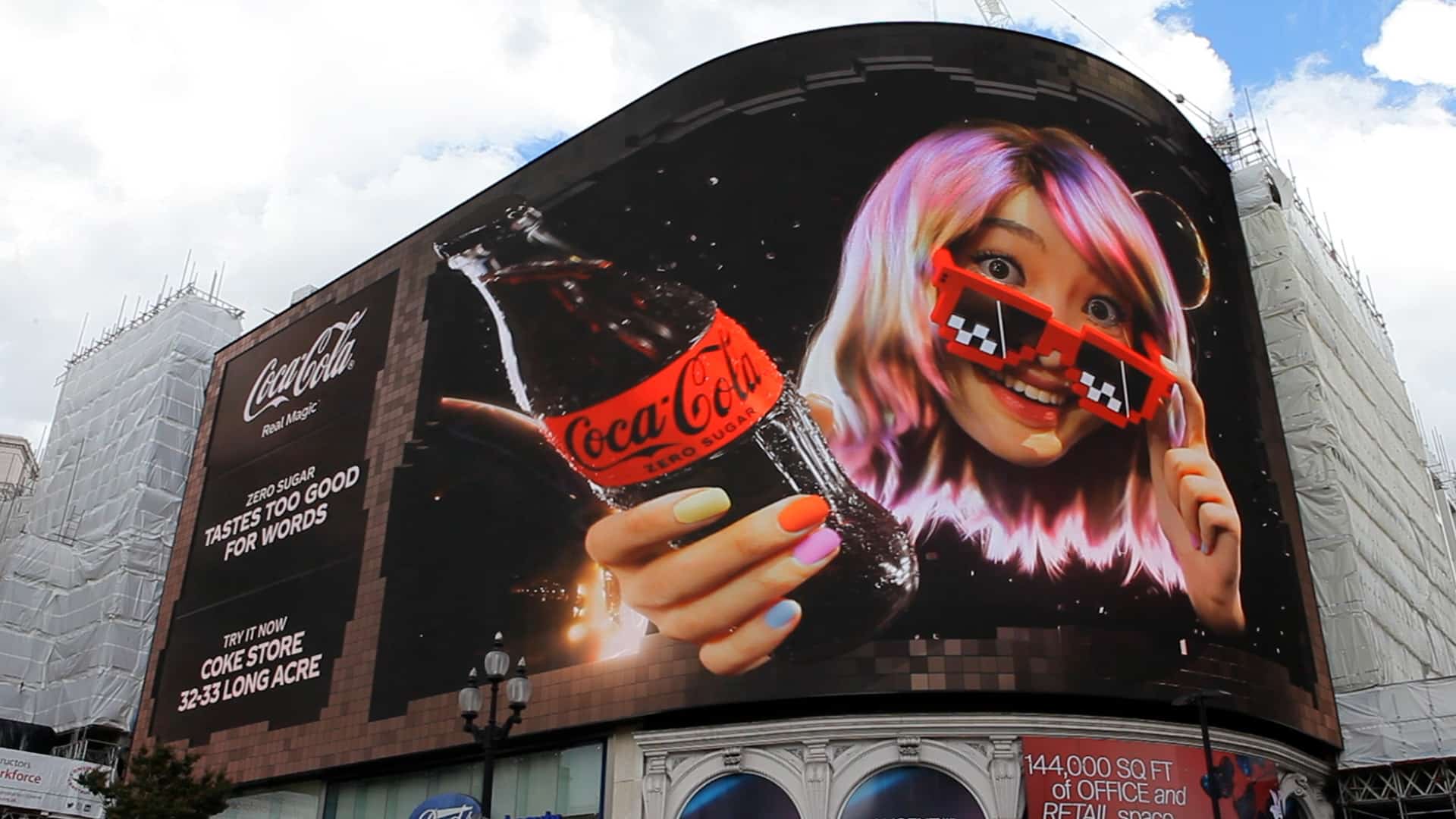
Coca-Cola’s brand isn’t just about selling beverages, it’s about creating moments of joy and connection worldwide. Through inventive experiential marketing campaigns, Coca-Cola not only creates global moments of joy but also helps boost brand awareness and foster a strong brand connection by engaging audiences in memorable ways.
Coca-Cola consistently blurs the boundaries between product and experience, transforming everyday interactions into unforgettable memories that reinforce its brand message and authentically reflect its brand identity.
Pioneering Experiential Marketing Campaigns
Coca-Cola has long embraced experiential marketing through innovative brand activations and immersive brand experiences to engage audiences in unique ways. For example, its “Happiness Machine” campaign delighted viewers by dispensing unexpected gifts like flowers and pizzas instead of just soft drinks. This is a prime example of experiential marketing and an experiential campaign, showcasing how brands can create memorable, engaging experiences that go beyond traditional advertising. Similarly, the “Keep on the Grass” stunt in Lithuania turned a grey urban space into a lush green park, complete with a quirky vending machine that encouraged participants to take off their shoes to enjoy the grass. This campaign also serves as one of the notable examples of experiential marketing, demonstrating how interactive experiences can foster emotional connections and boost brand awareness. These campaigns are not just ads; they’re interactive moments that create engaging experiences and interactive experiences for participants, inspiring smiles and fostering brand loyalty.
Why Experiential Marketing Works to Build Brand Loyalty
Experiential marketing stands out because it creates a two-way dialogue with consumers. Instead of passively watching an advertisement, participants become active players in a story. This enhances the customer experience by engaging multiple senses and emotions, and helps build personal connections between the brand and its audience. This approach is particularly effective for a brand like Coca-Cola, which has a global appeal and a mission to evoke happiness and togetherness. By associating its product with feel-good experiences, Coca-Cola reinforces its message of joy while building a lasting emotional connection with its audience, increasing customer engagement and fostering loyal customers.
Experiential marketing also helps brands strengthen customer relationships by creating memorable, interactive moments that encourage ongoing loyalty and advocacy.
Recent Innovations: Experiential Marketing Strategy for Crossing Cultural Boundaries
Coca-Cola continues to push the envelope with campaigns that emphasize unity and shared experiences across diverse cultures. For instance, the #ChooseHappiness campaign turned a mundane subway ride in Belgium into a burst of joy. By planting a laughing actor among passengers, Coca-Cola used the contagious power of laughter to uplift the entire train carriage, culminating in the distribution of Coca-Cola products to everyone onboard. Coca-Cola’s experiential marketing reaches global audiences through both in person events and virtual events, allowing the brand to engage people worldwide with immersive experiences.
This ability to connect people from different walks of life underscores the power of experiential marketing. It’s not just about selling a drink; it’s about creating a shared experience that transcends cultural and geographical boundaries. Many brands are adopting similar experiential marketing strategies to connect with diverse audiences worldwide.
Brand Experience and Activation
Brand experience and activation are at the heart of successful experiential marketing campaigns. In today’s fast-paced digital landscape, brands need more than traditional advertising methods to stand out, they need to create immersive experiences that leave a lasting impression on their target audience. A well-crafted experiential marketing strategy goes beyond simply showcasing a product; it invites consumers to actively participate, fostering emotional connections that drive brand loyalty and customer engagement.
Experiential marketing tactics such as guerilla marketing campaigns, interactive installations, and pop-up shops are powerful tools for bringing a brand’s identity to life. These engaging experiences not only attract customers but also create memorable interactions that resonate long after the event. For example, pop-up shops and virtual reality experiences offer unique opportunities for potential customers to connect with a brand in unexpected and meaningful ways, making experiential marketing effective at increasing brand awareness and generating buzz.
To ensure a successful experiential marketing campaign, it’s essential to align every activation with the brand’s core values and messaging. Authenticity is key, when experiential marketing efforts reflect a brand’s true identity, they foster deeper emotional connections and build trust with the audience. Incorporating digital elements like augmented reality and virtual reality can further enhance these experiences, creating immersive environments that encourage active participation and social media sharing.
Social media plays a crucial role in amplifying the impact of experiential marketing events. By integrating branded hashtags and encouraging social media posts, brands can extend the reach of their campaigns far beyond the physical event, driving social media engagement and user-generated content. This not only boosts brand awareness but also provides valuable data and actionable insights into consumer behavior, helping brands refine their creative strategy for future campaigns.
Understanding the target audience is fundamental to any experiential marketing strategy. Through market research and analysis of consumer behavior, brands can tailor their marketing efforts to create experiences that truly resonate. By focusing on what matters most to their audience, brands can develop experiential marketing ideas that drive engagement, lead generation, and customer loyalty.
Experiential marketing best practices emphasize the importance of authenticity, creativity, and measurement. Tracking metrics such as social media engagement, lead generation, and customer loyalty allows brands to evaluate the effectiveness of their experiential marketing campaigns and make data-driven decisions to optimize future marketing experiences.
In summary, brand experience and activation are critical components of a modern marketing strategy. By leveraging experiential marketing tactics and digital elements, brands can create immersive, engaging experiences that foster emotional connections, increase brand awareness, and drive lasting business results. In a world where traditional advertising often falls short, experiential marketing offers a powerful way to engage consumers, build brand loyalty, and create memorable experiences that stand the test of time.
How Towerhouse Can Bring This to Your Brand
Imagine your brand having the same level of engagement and impact. At Towerhouse, we specialize in crafting experiential marketing campaigns that resonate deeply with your audience. Whether it’s through live events, pop-up activations, or interactive digital experiences, as well as event marketing and pop-up shop experiences, we leverage the latest innovations to deliver meaningful consumer interactions.
Partnering with Towerhouse means tapping into a wealth of creative expertise and strategic insight. Strategic planning and a well-defined experiential strategy are essential to delivering successful campaigns that stand out in today’s marketplace. Inspired by Coca-Cola’s success, we can help your brand create memorable moments that not only capture attention but also inspire loyalty. From ideation to execution, Towerhouse can transform your marketing vision into a tangible experience.
Coca-Cola’s success in experiential marketing demonstrates the potential of connecting with consumers beyond traditional advertising. By investing in creative, participatory campaigns and integrating digital ads to amplify campaign reach, brands can foster emotional connections and ensure long-lasting impact. If your business is ready to explore the limitless possibilities of experiential marketing, Towerhouse is here to guide you every step of the way. Let’s create something extraordinary together.
Frequently Asked Questions
How does experiential marketing help brands connect across cultures?
Experiential marketing focuses on universal emotions like joy, surprise, and connection. These feelings resonate regardless of language or location. That’s why campaigns like Coca-Cola’s can engage audiences around the world.
Why do simple ideas often work best in experiential campaigns?
Because they’re easy to understand and participate in instantly. A vending machine or a shared moment doesn’t need explanation, it just feels natural. Simplicity makes experiences more accessible and shareable.
What makes a brand activation feel authentic instead of promotional?
It’s all about intention and execution. When the experience aligns with the brand’s values and doesn’t feel forced, people respond more positively. Authenticity builds trust and emotional connection.
How do experiential campaigns encourage people to share content online?
They create moments worth capturing, something unexpected, fun, or emotional. When people feel part of something unique, they naturally want to share it. This turns participants into promoters of the brand.
Can experiential marketing really influence how people see a brand long-term?
Yes, because experiences shape perception more deeply than ads. A positive interaction can change how someone feels about a brand for a long time. It builds memory, not just awareness.
Go Beyond Campaigns, Create Moments People Carry With Them
The most powerful brands aren’t just seen, they’re experienced. With Towerhouse Global, you can turn everyday interactions into unforgettable moments that resonate far beyond the first impression