
Coca-Cola’s Happiness from the Skies: Elevating Experiential Marketing
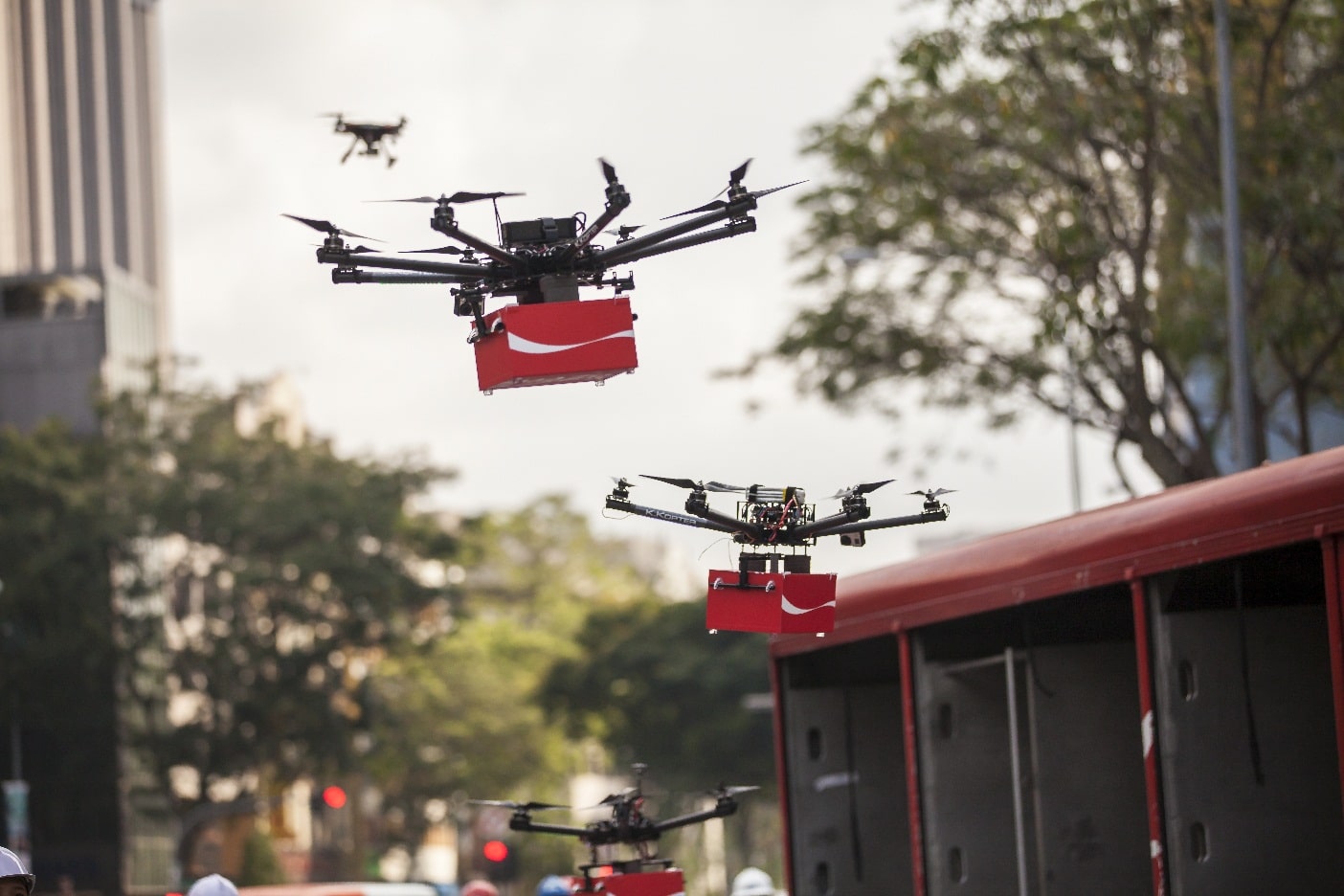
In the evolving world of experiential marketing, Coca-Cola consistently pushes boundaries, creating moments that resonate globally. Experiential marketing campaigns like Coca-Cola’s reach global audiences, enabling shared experiences and engagement across different regions. One iconic example is the Happiness from the Skies campaign, which demonstrated the power of innovation and emotional connection.
A Campaign That Took Flight
Launched in Singapore, this campaign addressed the challenge of delivering joy to migrant workers often separated from their families during festive seasons. Coca-Cola partnered with Ogilvy & Mather to develop a drone-powered solution, where drones delivered personalized care packages to workers in remote areas. This initiative not only highlighted Coca-Cola’s dedication to happiness but also showcased how technology could create a direct emotional impact. The campaign attracted significant press coverage, generating free publicity that increased brand visibility and demonstrated the impact of experiential marketing.
The campaign was more than a logistical feat, it was a storytelling masterpiece. Workers were encouraged to submit heartfelt messages to their loved ones, which were integrated into the deliveries, reinforcing the brand’s messaging by communicating Coca-Cola’s core values of connection and joy. This deeply personal touch transformed the initiative into an unforgettable moment of connection, helping to engage users on a deeper level by fostering participation and building a meaningful bond with the brand.
The Power of Experiential Marketing Campaigns
Experiential marketing is about creating immersive, shareable experiences that forge deep consumer connections. Experiential marketing is effective in boosting brand awareness and customer engagement, helping brands stand out from traditional advertising and digital ads. Key elements of a successful experiential campaign include authenticity, brand alignment, opportunities for social sharing, and the integration of digital elements like AR, VR, and interactive touchscreens.
Coca-Cola’s Happiness from the Skies experiential campaign exemplified this by seamlessly blending technology, emotion, and brand storytelling, serving as a prime example of experiential marketing events. The campaign provided an interactive experience and an engaging experience for participants, creating memorable experiences that resonated with both local and global audiences. By using drones, symbols of cutting-edge innovation, the campaign captured media attention and became a symbol of Coca-Cola’s ability to adapt its global messaging to local contexts.
Live marketing and ground marketing, such as real-time, in-person engagement, are also forms of experiential marketing, alongside pop ups, brand activations, and guerilla marketing campaigns. Modern experiential marketing includes virtual experiences and virtual events, which leverage multiple channels to maximize campaign reach and boost brand awareness. Engagement marketing, another term for experiential marketing, focuses on interactive campaigns and hands on experience to attract customers, increase customer engagement, and build loyal customers and existing customers.
Unlike a static print ad or traditional advertising, experiential marketing creates dynamic, memorable interactions that address the customer’s problem and foster emotional connections. Many brands are adopting these strategies, but many marketers miss crucial follow-up opportunities. Experiential marketing best practices include conducting market research, tailoring campaigns to specific demographics such as young women, and developing a strong experiential strategy. The coolest campaigns often combine digital elements, pop ups, and brand activations to create innovative, engaging experiences.
Consider these lessons and examples of experiential marketing when planning your next marketing campaign to increase brand awareness, attract customers, and create loyal customers through memorable, interactive experiences.
Lessons for Reaching Your Target Audience
Imagine how similar innovative strategies could apply to your brand. Partnering with Towerhouse Global can bring this vision to life. Our expertise in crafting experiential marketing campaigns ensures we identify the unique elements of your story and bring them to the forefront. Towerhouse helps brands develop an experiential strategy based on thorough market research, ensuring your campaigns resonate with your target audience.
With insights from projects like this, we can conceptualize campaigns that combine technology and emotion to reach your audience in unexpected ways. Whether it’s interactive events, immersive digital experiences, or real-world activations, Towerhouse is equipped to deliver. For your next marketing campaign, consider Towerhouse’s proven expertise in experiential marketing to create memorable experiences that drive engagement and results.
Why Brand Experience Works
Coca-Cola’s global success is driven by its ability to localize experiences while maintaining universal appeal. The Happiness from the Skies campaign tapped into shared human values, happiness, connection, and generosity, resonating deeply across cultural boundaries. It showcased how personalization and emotional storytelling can transcend products to create meaningful brand experiences that help build loyal customers and strengthen relationships with existing customers.
By working with Towerhouse, brands can leverage similar strategies to amplify their presence. With a focus on creating memorable, emotion-driven campaigns, we help clients foster genuine consumer relationships.
Measuring Success and ROI
In today’s competitive landscape, understanding the true impact of your experiential marketing campaigns is essential for driving business growth and refining your marketing strategy. Measuring success and return on investment (ROI) allows experiential marketers to determine whether their efforts are resonating with their target audience and delivering the desired results, be it increased brand awareness, deeper customer engagement, or a boost in sales.
To accurately assess the effectiveness of experiential marketing strategies, marketers should track a range of key performance indicators (KPIs). These include attendance at in person events, levels of customer engagement, the volume of social media posts and user generated content, as well as lead generation and sales conversions. Monitoring these metrics provides a clear picture of how well your experiential marketing tactics are performing and where there’s room for improvement.
Leveraging technology is a game-changer in this process. Tools like data analytics platforms, social media listening tools, and CRM systems offer valuable data and actionable insights into customer behavior and preferences. For example, tracking branded hashtags and monitoring social media buzz can reveal how your event marketing or pop up shop activations are increasing brand awareness and sparking conversations among potential customers.
One of the hallmarks of successful experiential marketing campaigns is their ability to create a lasting impression and foster emotional connections. Immersive experiences, such as interactive installations, augmented reality activations, and virtual reality showcases, help brands build strong relationships with their audience and inspire brand loyalty. By aligning these memorable experiences with your brand values and messaging, you ensure that your marketing efforts are not only engaging but also on brand.
Some of the most effective experiential marketing examples have demonstrated the power of measurement. Coca-Cola’s FIFA World Cup VR experience, for instance, used virtual reality to engage fans worldwide, while tracking engagement metrics and social media reach to measure its impact. Similarly, the Rickmobile campaign combined in person events with a robust social media strategy, using user generated content and branded hashtags to amplify reach and gauge success.
Frequently Asked Questions
What made the “Happiness from the Skies” campaign so impactful?
It combined technology with genuine human emotion in a meaningful way. By delivering personalized messages and care packages via drones, the campaign created real moments of connection. This emotional storytelling made the experience unforgettable.
Why do purpose-driven campaigns resonate more with audiences?
People connect more deeply with brands that show empathy and social awareness. When a campaign supports a meaningful cause, it feels authentic rather than promotional. This builds trust and strengthens long-term brand relationships.
How important is storytelling in experiential marketing?
Storytelling turns a campaign into something people can feel and remember. In this case, personal messages transformed a simple delivery into a powerful narrative. Strong stories give experiences meaning beyond the moment.
Can technology like drones really enhance brand experiences?
Yes, when used with intention, technology can elevate how people interact with a brand. Drones in this campaign added surprise and innovation while supporting the emotional message. The key is using tech to enhance, not overshadow, the experience.
What can brands learn from campaigns focused on human connection?
That the most powerful marketing doesn’t always focus on the product. Creating moments that reflect real human values, like gratitude or connection, can have a deeper impact. These experiences tend to stay with people longer.
Take to the Skies with Towerhouse: A Marketing Strategy
Coca-Cola’s Happiness from the Skies serves as a powerful reminder of the impact experiential marketing can have. As a brand, finding ways to engage audiences creatively and meaningfully is key to standing out in today’s landscape. Towerhouse Global is your partner in crafting campaigns that take inspiration from success stories like Coca-Cola’s, delivering happiness, innovation, and unforgettable experiences. Let’s elevate your brand to new heights. Together, we’ll create marketing that connects, inspires, and drives results.