
Experiential Marketing: Transforming Brand Engagement with Augmented Reality
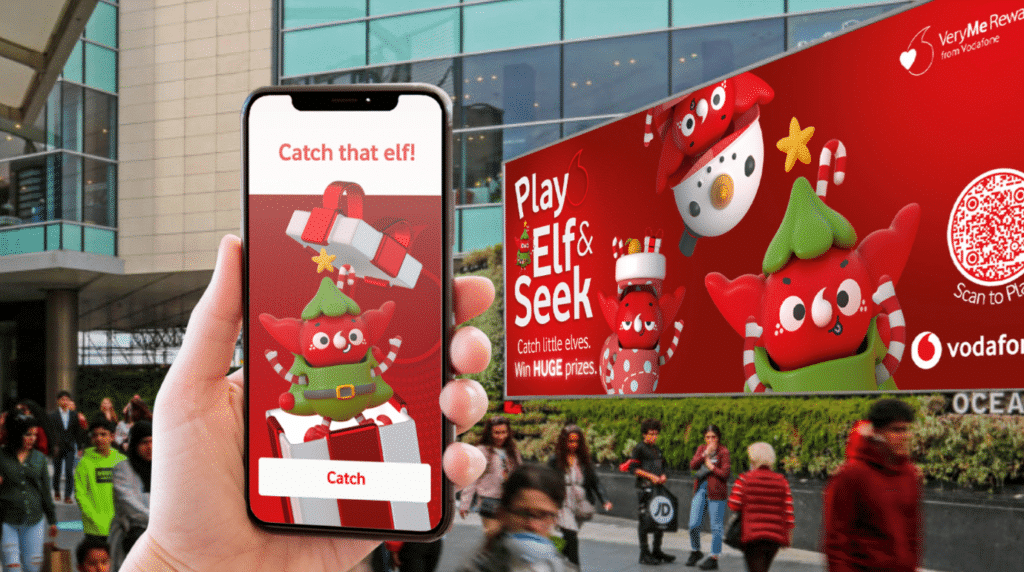
Augmented reality (AR) has rapidly evolved into a cornerstone of experiential marketing, revolutionizing how brands interact with their audiences. By blending the physical and digital worlds, AR delivers unique, immersive experiences that create immersive and creating unique opportunities for consumers to engage with brands in memorable ways. From enhancing product visualization to creating dynamic, interactive campaigns, AR enables brands to offer an interactive experience where users can directly participate and connect with the brand. These marketing experiences extend beyond traditional campaigns, fostering deeper engagement and brand loyalty. AR is a powerful tool for brands looking to stand out and make a lasting impact through innovative experiential marketing.
Why Augmented Reality Is Vital in Experiential Marketing
In a world where attention spans are shrinking, AR provides a standout way to engage audiences. It transforms static environments into interactive playgrounds, offering brands the ability to tell their stories in memorable and meaningful ways. By encouraging active participation, AR experiences invite consumers to directly interact with the brand, making the engagement more immersive and memorable. AR experiences often lead to higher engagement rates, as they engage consumers through interactive and personalized content. This approach makes experiential marketing effective by boosting brand awareness and fostering stronger customer relationships. These immersive experiences not only drive stronger emotional connections and increased brand loyalty, but also help increase brand awareness by making the brand more visible and memorable to a wider audience.
For example, AR applications like Ikea’s Place App allow customers to visualize furniture in their homes before purchasing. This “try before you buy” approach not only enhances the customer journey but also reduces returns, a win for both the consumer and the brand. Ikea’s use of AR has built a strong connection with younger audiences, deepening brand connection through memorable, technology-driven experiences.
Noteworthy AR Experiential Marketing Campaigns
Here are some of the best examples of experiential marketing and experiential marketing examples, showcasing how brands use AR to create immersive, interactive campaigns that engage audiences and build emotional connections:
Pepsi Max’s ‘Unbelievable’ Bus Shelter: Pepsi transformed a London bus shelter into an AR-powered portal where passersby saw alien invasions, asteroids, and more. This was a successful experiential marketing campaign that exemplifies how AR can turn mundane public spaces into thrilling brand experiences, especially in major cities where foot traffic is high.
Kinder Safari Portal: In a supermarket setting, Kinder engaged children by allowing them to explore a virtual safari through an AR portal. This creative use of AR built a strong connection with younger audiences while keeping parents engaged, and could be adapted for pop ups in major cities to maximize reach.
Circle K’s Pokémon Go Collaboration: Using Niantic’s AR platform, Circle K integrated AR ads within Pokémon Go, encouraging players to interact with branded elements and visit nearby stores. The campaign achieved an impressive 76% engagement rate, demonstrating how experiential marketing examples can drive both digital and physical engagement.
Samsung’s AR-Driven Product Launch: Samsung’s AR-enhanced virtual events allowed customers to explore new products in their own homes. This approach underlined how AR and virtual reality can elevate product showcases, even in remote settings, making it a successful experiential marketing campaign.
Netflix Anime AR Portals: Netflix used AR to immerse fans in anime worlds, employing QR codes on advertisements to transport users into digital environments tied to popular anime series. The use of virtual reality elements made the experience even more engaging for fans.
FIFA World Cup AR Activations: During the FIFA World Cup, brands launched AR and virtual reality experiences and interactive activations in major cities and stadiums, allowing fans to engage with the tournament through immersive pop ups, branded games, and live events, showcasing how experiential marketing can connect global audiences.
Integrating AR Into Your Experiential Marketing Strategy
The potential of AR extends beyond entertainment. When integrated strategically, AR can amplify digital marketing efforts by creating viral, shareable content. A well-developed experiential marketing strategy is essential for planning and executing these AR-driven campaigns effectively. For example, branded filters on social platforms like Instagram and Snapchat allow users to interact with products creatively, broadening a campaign’s reach across multiple channels to maximize audience engagement. This approach exemplifies engagement marketing, as it encourages interactive participation and direct consumer involvement. Strategic planning is crucial in designing AR experiences that align with campaign goals and deliver measurable results. Additionally, AR serves as a powerful tool for ground marketing, providing immersive, direct engagement with consumers.
Towerhouse Global can help brands explore the power of AR in their experiential marketing campaigns. By combining creative vision with cutting-edge technology, Towerhouse partners with clients to design experiences that resonate deeply with audiences, ensuring alignment with brand values and fostering personal connections that drive loyalty. Whether it’s crafting an interactive pop-up that is fully on brand, a virtual product demo, or an AR-enhanced event that creates memorable interactions, Towerhouse ensures the experience is innovative and impactful, effectively conveying the brand’s messaging and building deeper connections with the audience.
Measuring Success and ROI
Understanding the true impact of experiential marketing campaigns is essential for any brand looking to maximize its marketing strategy and create memorable experiences that resonate with their target audience. Unlike traditional advertising methods, experiential marketing efforts are designed to foster deeper emotional connections and leave a lasting impression, but quantifying their effectiveness requires a strategic approach.
To measure the success of an experiential marketing campaign, marketers should focus on a blend of quantitative and qualitative metrics. Key performance indicators (KPIs) include:
Attendance and Participation Rates: Track how many people engage with your experiential marketing events, pop up shops, or interactive installations. High participation often signals strong interest and effective event marketing.
Social Media Engagement and Reach: Monitor likes, shares, comments, and user generated content across platforms. Successful experiential marketing campaigns often spark social sharing, amplifying your brand’s messaging to global audiences.
Lead Generation and Conversion Rates: Evaluate how many potential customers move through your sales funnel as a direct result of your experiential marketing tactics, such as guerilla marketing campaigns or brand activations.
Sales Uplift: Analyze sales data during and after the campaign to determine if your experiential marketing ideas are driving real business results.
Brand Sentiment and Perception: Use surveys and social listening tools to gauge shifts in positive brand perception and emotional connections with your brand.
Customer Satisfaction and Feedback: Collect direct feedback from participants to understand what made the experience memorable and how it influenced their brand loyalty.
By tracking these KPIs, experiential marketers can gain actionable insights into consumer behavior and the effectiveness of their marketing efforts. This data-driven approach allows your marketing team to refine future experiential campaigns, ensuring each activation is more impactful than the last.
Combining experiential marketing with traditional advertising and digital ads can further boost brand awareness and reach a wider target demographic. For example, integrating AR-powered interactive experiences at in person events with a robust social media engagement strategy can create a multi-channel campaign that maximizes both reach and engagement.
As technology evolves, so do the possibilities for measuring ROI. Tools like real-time analytics, heat mapping at live marketing events, and advanced social listening platforms provide deeper insights into how consumers interact with your brand. These innovations help marketers optimize their creative strategy, ensuring every experiential marketing campaign delivers a positive brand experience and supports long-term brand identity.
In summary, measuring the success and ROI of experiential marketing is not just about numbers, it’s about understanding how your brand activations and immersive experiences create authentic connections and loyal customers. By leveraging the right metrics and continually refining your approach, you can ensure your next marketing campaign stands out as one of the coolest campaigns in the industry, driving both immediate results and lasting brand loyalty.
Frequently Asked Questions
Why is augmented reality becoming so important in experiential marketing?
AR transforms everyday environments into interactive brand experiences. Instead of just observing, people can engage directly with content in real time. This makes campaigns more memorable and impactful.
What types of experiences can brands create with AR?
Brands can build everything from interactive product demos to immersive storytelling environments. AR can also power games, virtual try-ons, and live event activations. The versatility makes it useful across both digital and in-person campaigns.
Do users need special devices to experience AR campaigns?
Not necessarily, most AR experiences work through smartphones. This accessibility is one reason AR has grown so quickly in marketing. It allows brands to reach wider audiences without barriers.
How does AR improve engagement compared to traditional campaigns?
AR invites users to actively participate rather than passively consume content. This interaction increases attention, recall, and emotional connection. As a result, people are more likely to remember and share the experience.
What industries benefit the most from AR experiential marketing?
Retail, entertainment, and events are leading the way, but AR works across many sectors. Any brand that wants to visualize products or tell a story can benefit. The key is using AR to enhance, not replace, the experience.
Building the Future with AR
As technology advances, AR will continue to dominate experiential and digital marketing landscapes. From wearable AR devices to enhanced WebAR capabilities, the possibilities for creative engagement are endless. Brands willing to embrace this technology will not only boost engagement but also solidify their reputation as innovators in their industries.
To learn how Towerhouse Global can bring your AR marketing vision to life, reach out today. Together, you can create campaigns that redefine what’s possible in experiential marketing.