
Live Events Production: How Professional Production Brings Corporate Events to Life
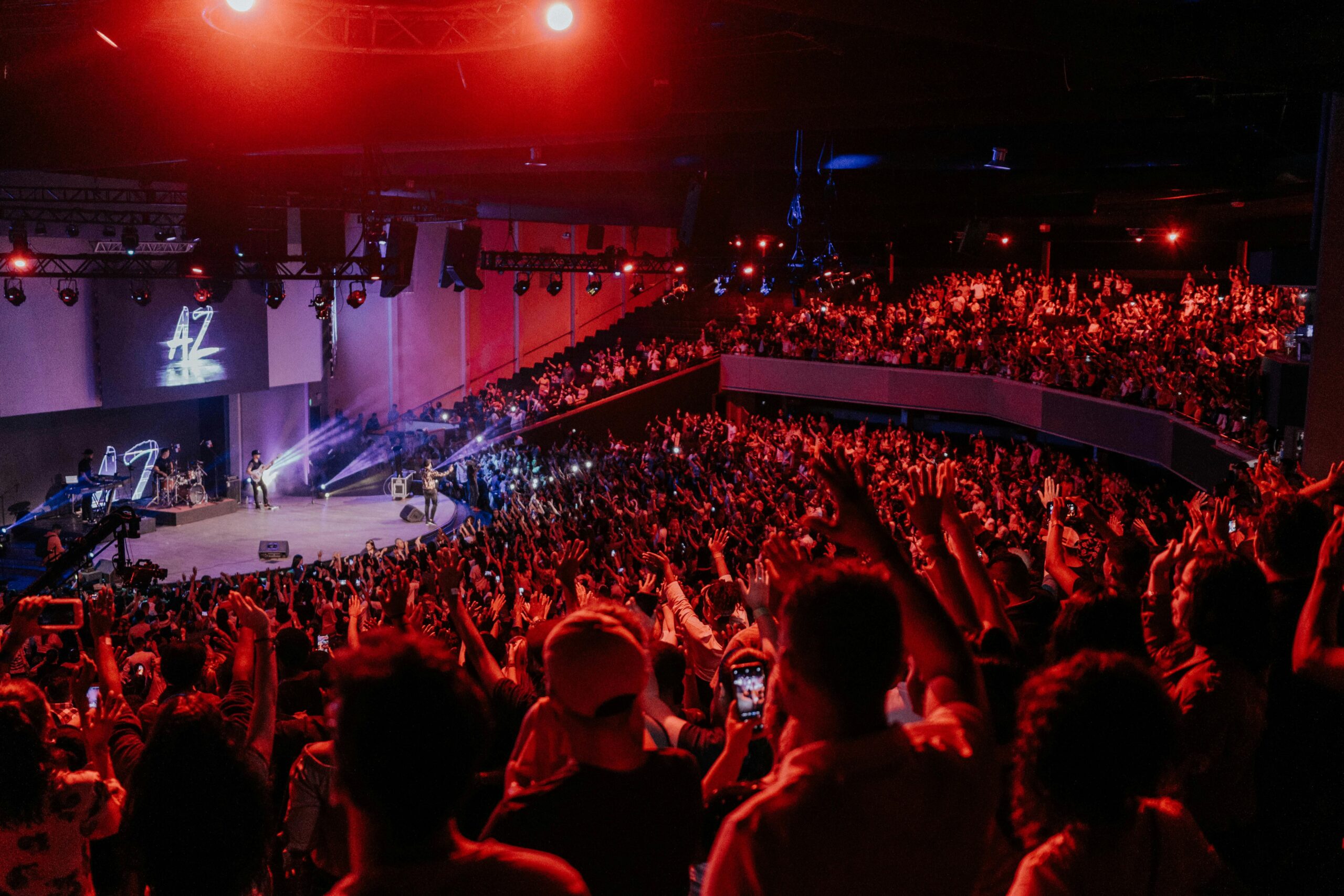
Corporate events have evolved far beyond simple meetings or presentations. Today, they serve as powerful platforms for brand storytelling, leadership communication, customer engagement, and employee inspiration. From global conferences and product launches to executive summits and recognition events, organizations rely on events to connect with audiences in meaningful and memorable ways. When choosing a production partner, it’s crucial to consider their excellence, proven track record, and ability to deliver through a global network, ensuring your event is executed to the highest standards anywhere in the world. Leading event production companies also leverage their connections with industry-leading vendors and suppliers, providing clients with access to special deals and discounts. Working with a professional production company can make the process easier and even save you time and money.
However, delivering a successful corporate event requires far more than scheduling speakers and reserving a venue. It involves designing an immersive experience, managing complex logistics, coordinating technology, and ensuring flawless execution. This is where live events production becomes essential.
Companies searching for live event production services, live show production, or live event solutions are typically seeking partners who can transform a concept into a fully realized experience. Top live events production partners offer full service under one roof, managing every aspect from planning to execution for a seamless and efficient process. Professional production teams combine creative vision, technical expertise, and operational leadership to ensure that every aspect of the event runs smoothly, including specialized skills in audio, video production, and virtual events.
This guide explores what live events production includes, why it matters for corporate events, and how organizations can choose the right live events company or production partner to deliver exceptional experiences.
What Is Live Events Production?
Live events production refers to the creative, technical, and operational process of producing live experiences such as corporate conferences, product launches, award shows, and brand activations. It is a collaborative project that involves multiple expert contributions at various stages, from conceptual design to on-site execution, to bring an event to life.
An events agency acts as a full-service provider that manages all aspects of live, virtual, and hybrid events. A live events company typically works alongside corporate event planners and marketing teams to develop an event that aligns with the organization’s goals while creating an engaging experience for attendees. Some companies have an in house team dedicated to managing every detail of the event, ensuring seamless communication and quality control. The production process combines storytelling, stagecraft, technology, and logistics to ensure the event runs smoothly and leaves a lasting impression.
Creative Concept and Show Design
The foundation of live events production begins with creative concept development. Production teams collaborate with organizations to understand the goals of the event, the audience, and the messaging the company wants to communicate. They help turn bold ideas into impactful event experiences that elevate brand presence.
From there, they design the event experience. This may include developing a theme, creating stage environments, planning the event flow, and designing visual storytelling elements that reinforce the brand.
Creative show design considers how attendees will experience the event from the moment they arrive to the final closing moment. Lighting, stage layout, multimedia content, and audience engagement elements all work together to support the overall narrative and emotional impact of the event.
For corporate audiences, this creative planning ensures that the event feels purposeful and aligned with the organization’s identity, with the goal to captivate audiences through innovative storytelling and design.
Technical Production and Event Infrastructure
While creative ideas shape the experience, technical production makes those ideas possible. Live event production services involve designing and managing the technical infrastructure required to support the event.
This includes staging, lighting design, zenith lighting as a premium lighting solution for special events, professional audio systems, sound engineering, video screens, projection mapping, scenic elements, and broadcast technology. Audiovisual technology is essential for delivering clear audio and impactful visuals, ensuring that every attendee experiences the event as intended. Technical teams carefully plan these components to ensure that speakers are clearly seen and heard, presentations are visually compelling, and the event environment supports the intended atmosphere.
Production teams also coordinate with venue staff, audiovisual technicians, and equipment providers to ensure everything functions seamlessly.
For corporate events involving executives, customers, or media representatives, technical reliability is critical. Even small technical issues can disrupt presentations or diminish the audience experience, making professional production expertise invaluable.
Technical rehearsals are crucial to ensure all technical aspects, from microphones to multimedia presentations, work as expected.
On-Site Show Management and Execution
The final stage of live events production happens during the event itself. On-site production teams oversee rehearsals, coordinate timing cues, and manage the run of show to ensure every moment happens as planned.
Stage managers, show callers, and producers work together to guide speakers, control lighting and video cues, and keep the event moving according to schedule. Clear communication among all teams and stakeholders is essential to ensure seamless coordination, minimize confusion, and maintain the flow of the event, especially when managing complex or hybrid live events.
Live events are dynamic environments, and unexpected issues can arise at any moment. Experienced production teams are trained to handle these challenges calmly and efficiently, allowing the audience to remain fully immersed in the event.
This professional oversight ensures that corporate events appear polished, organized, and professionally executed. Experienced teams are especially vital for large scale productions, where complexity and stakes are high and seamless execution is critical.
Why Live Events Production Matters for Corporate Events
Professional production plays a critical role in transforming an ordinary gathering into a memorable experience. For organizations investing in corporate events, production quality directly influences how attendees perceive the brand hosting the event.
Elevating Brand Experience
High-quality live event production helps create an immersive brand environment. Establishing a branded ‘house’, a dedicated space or identity within the event, can reinforce the organization’s presence and foster a sense of community among attendees. From the design of the stage to the lighting and multimedia content, every visual element contributes to how attendees perceive the organization.
A well-produced event reinforces brand identity by incorporating company colors, messaging, and storytelling elements throughout the experience. The result is an event that feels cohesive and intentional rather than improvised or generic.
For companies seeking to position themselves as innovative, premium, or forward-thinking, professional production is an essential component of the overall brand experience.
Creating Memorable Audience Engagement
Live events provide unique opportunities to engage audiences in ways that digital marketing alone cannot. Through interactive presentations, multimedia storytelling, and entertainment segments, production teams help maintain energy and audience participation throughout the event.
Professional production ensures that events have the right pacing and structure to keep attendees interested and involved. Visual content, stage dynamics, and audience interaction all contribute to a more engaging experience.
When executed effectively, live event production creates moments that attendees remember long after the event ends.
Ensuring Professional Execution
Corporate events often include high-level stakeholders such as executives, investors, clients, and industry leaders. These audiences expect professionalism and reliability.
A production team ensures that presentations run smoothly, transitions are seamless, and technical elements function properly throughout the event. This reliability allows executives and speakers to focus on delivering their message rather than worrying about logistics.
Professional execution not only protects the organization’s reputation but also strengthens audience confidence in the brand.
Types of Live Event Productions for Corporate Audiences
Live event production services support a wide range of corporate event formats, each with its own requirements and audience expectations. Trade shows, concerts, and multi day programs are additional examples of events that benefit from professional live events production.
Corporate Conferences and General Sessions
Corporate conferences often involve large audiences, multiple speakers, and complex programming schedules. These events may include keynote presentations, breakout sessions, panel discussions, and networking activities.
Production teams design the stage environment, manage audiovisual systems, and coordinate the run of show to ensure the event flows smoothly. They also help create visually engaging presentations that keep attendees focused and energized throughout the program.
For large conferences, professional production ensures that the experience feels organized and impactful.
Product Launches and Brand Activations
Product launches require a high level of creativity and precision. These events often serve as the first public introduction of a new product or service, making them critical marketing moments.
Live show production techniques, such as dramatic reveals, multimedia presentations, and immersive stage environments, help build excitement and anticipation among attendees.
Production teams design these experiences to highlight the product while reinforcing the brand’s message and positioning.
Awards Shows and Recognition Events
Employee recognition programs and corporate awards ceremonies benefit greatly from entertainment-style production. Lighting, stage design, music, and video content create a celebratory atmosphere that honors achievements and motivates participants. The use of special effects, such as pyrotechnics or lasers, can further enhance the experience, making awards shows visually striking and memorable.
Production teams manage the timing of award presentations, coordinate multimedia segments, and ensure that each honoree receives their moment of recognition in a professional and memorable way.
These events often play a key role in strengthening company culture.
Hybrid and Broadcast Events
Many corporate events now combine in person events with virtual events, creating hybrid events that allow organizations to reach larger audiences by streaming sessions to remote attendees. Hybrid events require intentional design to prioritize both in-person and remote audiences, ensuring that each group receives a high-quality, engaging experience.
Production teams manage live streaming technology, broadcast-quality cameras, and digital engagement tools to ensure both in-person and online audiences have a seamless experience. The integration of advanced technology is crucial for the success of hybrid and virtual events.
This approach allows companies to expand the reach and impact of their events while maintaining high production standards.
What to Look for in a Live Events Production Partner
Selecting the right production partner can significantly influence the success of a corporate event. Organizations should evaluate potential partners based on experience, capabilities, and their ability to understand business goals.
Strategic Event Understanding
A strong live events company understands that corporate events serve strategic purposes beyond entertainment. Production teams should take time to understand the organization’s objectives, audience, and messaging priorities.
By aligning production design with business goals, they ensure the event supports broader marketing and communication strategies.
Creative and Technical Capabilities
Top production partners combine creative storytelling with advanced technical expertise. Their teams should be skilled in stage design, multimedia content creation, lighting design, and event technology integration.
This combination of creativity and technical precision allows them to produce visually compelling and technically reliable events.
Experience With Corporate Stakeholders
Corporate events often involve multiple internal departments, including marketing, communications, operations, and executive leadership.
Experienced production teams understand how to navigate corporate environments, manage approvals, and collaborate effectively with internal stakeholders.
This experience helps ensure smooth planning and efficient decision-making.
Reliable On-Site Leadership
Live events require confident leadership during the production process. Producers, stage managers, and technical directors must be able to coordinate teams, solve problems quickly, and maintain the event schedule.
Reliable on-site leadership ensures that the event remains organized and that any unexpected challenges are resolved without disrupting the audience experience.
The Role of Live Events Production in Modern Marketing Strategy
Corporate events have become powerful marketing tools, and production plays a key role in maximizing their impact.
Events as Brand Storytelling Platforms
Live events provide organizations with opportunities to communicate their brand story through immersive environments, presentations, and multimedia experiences.
Production teams help translate marketing messages into visual and experiential formats that resonate with audiences.
This storytelling approach strengthens brand perception and emotional connection.
Content Creation and Marketing Amplification
Corporate events generate valuable content that can be used long after the event ends. Video recordings, highlight reels, photography, and social media clips extend the reach of the event to broader audiences.
Production teams often design events with content capture in mind, ensuring key moments are documented and repurposed for marketing campaigns. Post production is crucial for editing and finalizing event footage and digital content, making it suitable for marketing use and maximizing audience engagement.
This approach increases the return on investment for corporate events.
Creating Lasting Business Impact
Well-produced events contribute to stronger brand perception, improved customer relationships, and greater employee engagement. They create memorable experiences that influence how audiences feel about an organization.
By combining strategy, creativity, and technical expertise, live event production helps organizations achieve meaningful business outcomes and make an impact across the world, reaching audiences in the global digital landscape.
Measuring Event Success
In today’s competitive landscape, understanding the true impact of your live events and corporate events is more important than ever. Over the past few years, the event planning process has evolved to place a greater emphasis on measuring event success, ensuring that every aspect of event production delivers real value to organizations and their audiences.
Modern event production goes beyond flawless execution on the day of the event, it includes a comprehensive approach to evaluating outcomes. Key performance indicators (KPIs) such as attendee engagement, satisfaction scores, lead generation, and return on investment (ROI) are now standard metrics used to assess the effectiveness of both in-person and hybrid events. Digital tools and analytics platforms make it possible to track audience participation, content interaction, and social media reach, providing a clear picture of how well the event achieved its objectives.
Feedback surveys, post-event debriefs, and data analysis are integral parts of the event planning process. These insights help production companies and internal teams identify what resonated with audiences, which technical aspects performed flawlessly, and where there are opportunities for improvement. By measuring success at every stage, from initial planning to post-event review, rganizations can refine their event strategy, enhance future productions, and ensure that each event supports broader business goals.
Ultimately, a data-driven approach to measuring event success empowers companies to make informed decisions, maximize the impact of their live events, and continually elevate the standard of their corporate events.
Final Thoughts
Live events production plays a vital role in transforming corporate gatherings into impactful experiences. Through creative design, technical expertise, and professional execution, production teams ensure that events run smoothly while delivering memorable moments for attendees.
As corporate events continue to evolve into strategic communication platforms, organizations must approach event production with the same level of planning and expertise they apply to other marketing initiatives.
By partnering with experienced live event agencies or production teams, companies can create events that engage audiences, strengthen their brand, and generate lasting business impact.
Frequently Asked Questions
What is live events production?
Live events production involves the creative planning, technical design, and operational management of live experiences such as conferences, product launches, and corporate meetings. Production teams coordinate staging, lighting, sound, video, and show management to ensure events run smoothly and deliver engaging audience experiences.
What services do live event production companies provide?
Live event production services typically include stage design, audiovisual production, lighting and sound systems, multimedia content creation, show management, and technical coordination. These services help transform event concepts into professionally executed experiences.
How is live show production different from event planning?
Event planning focuses on logistics such as scheduling, vendor coordination, and guest management. Live show production focuses on the creative and technical elements of the event, including stage design, audiovisual production, and the execution of the event program.
What types of corporate events require live event production?
Many corporate events benefit from professional production, including conferences, leadership meetings, product launches, award ceremonies, brand activations, and hybrid events. Production services help ensure these events are visually engaging and professionally executed.
When should companies hire a live event production company?
Organizations should involve a live event production company early in the planning process. Early collaboration allows production teams to help design the event experience, coordinate technical requirements, and ensure the event runs smoothly from concept to execution.
Bring Your Event Vision to Life
Great events don’t just happen, they’re carefully produced. At Towerhouse Global, we turn ideas into immersive live experiences through world-class live events production, creative storytelling, and flawless execution that leaves a lasting impact.