
Technical Event Production: The Technology Behind Successful Corporate Events
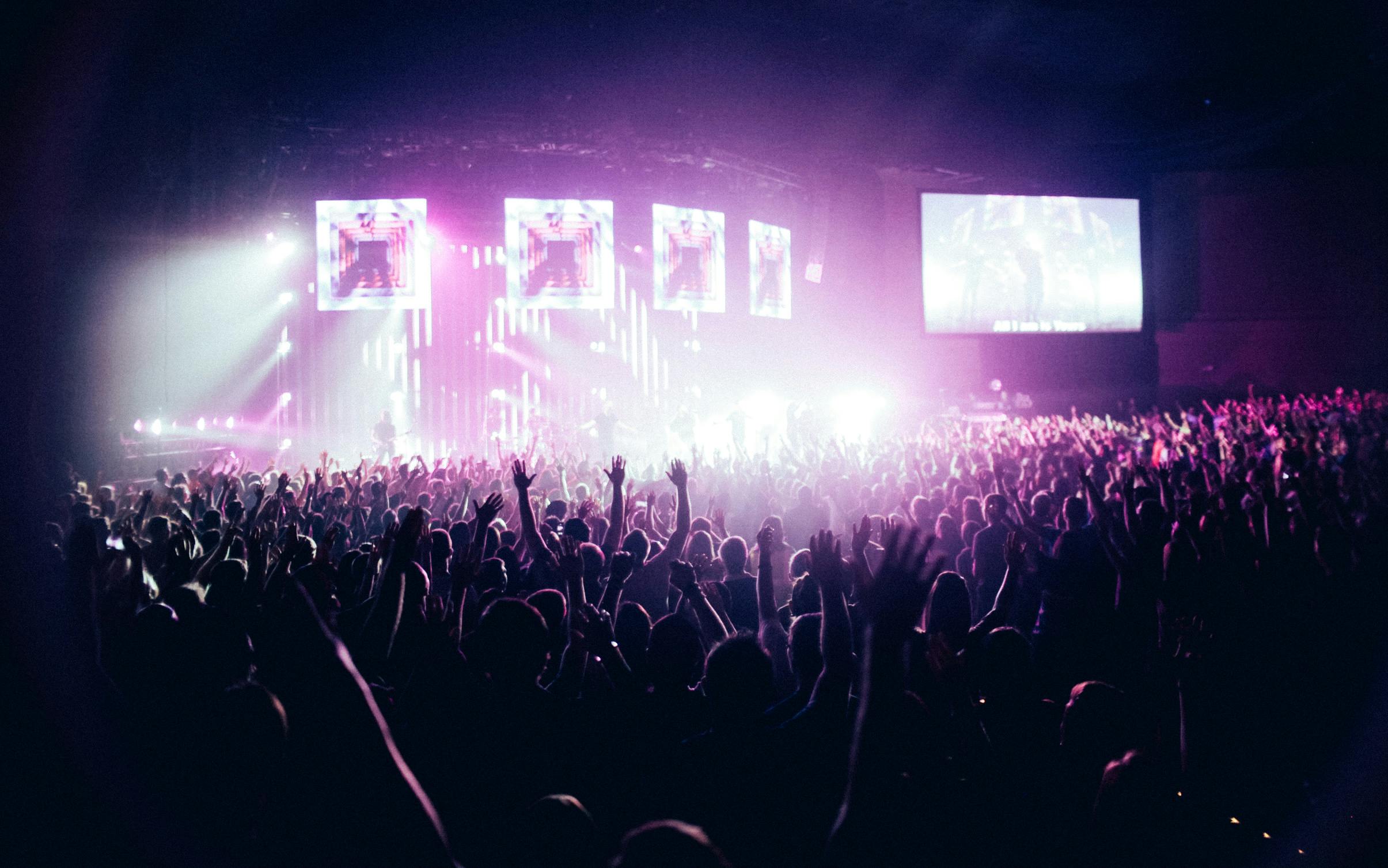
Corporate events have evolved into highly sophisticated experiences that combine strategy, storytelling, and technology. From global conferences and product launches to leadership summits and brand activations, modern corporate events rely on complex technical systems working seamlessly behind the scenes. While attendees may focus on speakers, presentations, and networking opportunities, the real foundation of a successful event lies in technical event production.
Technical event production is essential for creating unforgettable experiences at a wide range of events, including weddings, corporate events, parties, and galas.
Technical event production refers to the planning, coordination, and execution of the technology required to support live events. This includes audio systems, video displays, lighting design, staging, livestreaming infrastructure, and show control systems. Lighting, sound, and video are not just another aspect of events, they are integral to enhancing and amplifying the natural beauty of every space and are key to creating artistic or creative event experiences. When all these elements work together smoothly, the result is an engaging, professional experience that allows the event’s message to shine.
Organizations searching for technical AV production or technical production services are typically looking for experienced partners who can manage these complex technical systems. Corporate events often involve multiple speakers, digital presentations, remote audiences, and large venues, making reliable technical support essential. AV technicians play a crucial role as key professionals in technical event production, ensuring every technical aspect is expertly managed.
In this guide, we’ll explore what technical event production includes, how it supports corporate events, and why working with experienced technical production partners is critical for delivering seamless and impactful business events.
What Is Technical Event Production?
Technical event production is the process of designing, managing, and operating the technology used during live events. Lighting and sound are a critical aspect of the overall event experience, serving as key creative components rather than just supplementary elements. It ensures that audio, video, lighting, staging, and digital systems work together to support presentations and audience engagement.
In corporate environments, technical production goes far beyond simply setting up microphones and screens. It involves careful planning, testing, and coordination to ensure that every technical component functions flawlessly throughout the event.
Successful technical production allows speakers to deliver their message clearly, ensures audiences remain engaged, and supports the overall event experience.
Core Components of Technical Production
Several key technologies form the foundation of technical event production.
Audio systems ensure that presenters can be heard clearly by every attendee in the room. These systems include microphones, speakers, sound processors, and mixing consoles that balance audio levels and eliminate feedback. Top-of-the-line speakers, microphones, and mixers are used to create brilliant sound for events.
Video systems provide the visual infrastructure for presentations. LED screens, projection systems, and presentation switching technology allow speakers to display slides, videos, and graphics that enhance their message. Creative visual displays and high-quality equipment setups are essential for captivating audiences at events.
Lighting systems illuminate speakers and create the visual atmosphere of the event. Stage lighting ensures presenters are visible, while ambient lighting helps set the tone of the venue.
Staging and set design provide the physical environment where presentations take place. This includes stage platforms, podiums, scenic elements, and support structures for lighting and displays.
Together, these systems form the technical backbone of corporate events. The integration of lighting, sound, and video enhances and amplifies the natural beauty of every space to create unforgettable experiences.
The Role of Technical Directors and Production Teams
Behind every successful technical production is a team of specialists responsible for coordinating the technology.
Technical event production teams take pride in their unmatched technical skills and are experienced problem solvers, ensuring seamless execution and bringing clients’ visions to life.
Technical directors oversee the entire production process, ensuring that audio, video, lighting, and staging systems are integrated effectively. They develop technical plans, manage rehearsals, and supervise the production team during the event.
Audio engineers monitor sound levels and ensure that microphones, speakers, and presentation audio are balanced correctly. AV technicians set up, operate, and maintain audiovisual equipment such as microphones, projectors, monitors, soundboards, and lighting systems.
Video technicians manage visual displays, presentation switching, and live camera feeds.
Lighting designers create lighting environments that enhance visibility and reinforce the event’s visual style.
AV technicians carefully route cables, connect devices, and run tests to confirm that all equipment functions as expected. They perform routine maintenance, including cleaning equipment, updating firmware, and documenting any needed repairs. During the event, AV technicians stay alert and on hand to monitor the system, troubleshooting and responding to any technical issues to ensure smooth audio and visual performance across various industries.
AV technicians are essential for all types of businesses and industries, playing a vital role in ensuring events run smoothly by blending technical know-how with problem-solving skills.
Together, these professionals ensure that every technical element operates smoothly during the event.
Integration With Event Strategy
Technical production must align with the broader goals of the event. Corporate events often serve strategic purposes such as communicating company vision, launching new products, or strengthening brand identity.
Technical systems support these objectives by enabling multimedia storytelling, dynamic presentations, and interactive experiences.
Technical event production can transform the event space, creating visually stunning environments that immerse audiences in the brand’s story and enhance attendee engagement. The use of engagement technology increases attendee participation and allows organizers to gather valuable feedback during events. A cohesive brand story further enhances the overall experience for attendees.
For example, large LED screens can showcase product demonstrations, while lighting effects can emphasize key moments during a presentation.
When technical production is carefully integrated with event strategy, it helps transform presentations into immersive experiences that resonate with audiences.
Key Elements of Technical AV Production
Technical AV production involves a wide range of services designed to support corporate events. These services ensure that the event environment supports clear communication, audience engagement, and professional presentation.
Audio Systems and Sound Engineering
Audio is one of the most critical aspects of technical event production, with sound production playing a vital role in creating immersive and high-quality experiences. If attendees cannot hear speakers clearly, the entire event experience suffers.
Professional sound systems include microphones for presenters, distributed speaker systems for large venues, and audio mixing equipment that balances sound levels across the room.
Audio engineers monitor sound quality throughout the event to prevent issues such as feedback, distortion, or uneven volume.
High-quality sound engineering ensures that every word spoken during the event is clearly heard by the audience.
Video Displays and Presentation Technology
Visual presentation systems are equally important for delivering effective corporate events.
Incorporating animation and industry-standard software, such as digital audio workstations like Pro Tools®, can significantly enhance visual presentations and multimedia content. Creative visual displays and high-quality equipment setups can steal the show at events.
Large projection screens or LED displays allow speakers to share slides, videos, and graphics that support their message. These displays ensure that attendees can clearly see presentation content even in large venues.
Presentation switching technology allows technicians to transition smoothly between slides, videos, and live camera feeds.
These visual systems help presenters communicate complex information more effectively while maintaining audience attention.
Lighting Design and Stage Production
Lighting plays a significant role in shaping the visual environment of corporate events. An artistic and inspired approach to lighting design, often drawing from organic elements, can amplify the natural beauty of the venue and surroundings. Lighting and sound production enhances and amplifies the natural beauty of every space, seamlessly integrating technology with the authentic, organic aesthetic of the environment.
Stage lighting ensures that presenters are clearly visible, both to the audience and to cameras capturing the event. Lighting designers also use color and intensity to create atmosphere and emphasize key moments during the program.
For example, lighting transitions can highlight keynote speakers, product reveals, or award presentations.
Professional lighting design helps create an engaging and visually appealing event environment.
Event Streaming and Hybrid Technology
As hybrid events become more common, livestreaming technology has become an essential component of technical event production.
Streaming systems capture video and audio from the event and broadcast it to remote audiences in real time. This allows organizations to include participants who cannot attend in person.
Hybrid event technology may also include remote speaker integration, virtual audience interaction tools, and digital networking platforms.
hese technologies allow companies to extend the reach of their events to global audiences.
Why Technical Production Matters for Corporate Events
Technical production plays a critical role in ensuring that corporate events run smoothly and deliver a professional experience.
Without reliable technology and skilled technicians, even well-planned events can encounter disruptions that undermine their effectiveness.
Delivering Clear and Professional Communication
Corporate events often involve important presentations from executives, industry leaders, or subject matter experts. Clear communication is essential for ensuring that the audience understands and engages with the message.
Technical production ensures that speakers are heard clearly, visuals are visible throughout the venue, and presentations run without interruption.
Reliable AV systems eliminate distractions and allow audiences to focus on the content being delivered.
Creating Immersive Event Experiences
Modern corporate events increasingly rely on immersive experiences that combine visuals, lighting, and multimedia storytelling. A technical event company specializes in producing creative and artistic or creative events that leave lasting impressions, using advanced lighting, sound, and video production to create unique atmospheres.
Large LED displays, dramatic lighting effects, and dynamic video content can transform a standard presentation into a compelling experience. Event production can bring the WOW factor to corporate events, weddings, and parties.
These production elements capture attention and help audiences connect emotionally with the message being delivered.
Supporting High-Stakes Corporate Presentations
Many corporate events involve high-profile stakeholders, including investors, media representatives, and industry partners.
In these situations, technical reliability is essential. Equipment failures or production errors can disrupt presentations and damage the organization’s reputation.
Professional technical production teams prepare extensively for these events, conducting rehearsals and equipment testing to ensure flawless execution.
Types of Corporate Events That Require Technical Event Production
Technical event production is used across a wide range of corporate event formats.
Corporate Conferences and Leadership Summits
Large conferences often include keynote speeches, panel discussions, and breakout sessions. These events require coordinated audio systems, presentation displays, and lighting setups.
Technical production teams manage the technology needed to support multiple speakers and presentations throughout the event.
Product Launches and Brand Events
Product launches often rely heavily on multimedia storytelling and visual impact.
Technical production teams create staging environments that support dramatic product reveals, video demonstrations, and interactive presentations.
These elements help generate excitement and communicate product benefits effectively.
Internal Corporate Meetings and Training Events
Internal events such as company town halls, leadership updates, and training sessions also benefit from professional technical production.
Clear audio, visible presentations, and reliable livestreaming ensure that employees can fully engage with the content being delivered.
Hybrid and Virtual Corporate Events
Hybrid events combine in-person attendance with virtual participation. Technical production teams manage the technology required to support both audiences simultaneously.
This includes video capture, livestreaming platforms, remote speaker integration, and digital audience interaction tools.
Hybrid production allows organizations to reach broader audiences while maintaining a high-quality event experience.
What to Look for in a Technical Event Company
Choosing the right technical production partner is a key factor in the success of corporate events.
Organizations should consider several factors when evaluating potential providers. The best technical event production partners are forward thinkers, experienced problem solvers, and bring unmatched technical skills to every project.
Technical Expertise and Equipment Quality
Professional technical production companies invest in advanced equipment and employ experienced technicians who understand how to operate complex systems. These companies bring unmatched technical skills to ensure event success, delivering high-quality lighting, sound, and video services that elevate the experience.
High-quality equipment and knowledgeable teams help ensure reliable event execution.
Experience With Corporate Events
Corporate environments require professionalism, precision, and attention to detail.
Production partners with experience supporting conferences, leadership meetings, and product launches are better prepared to handle the unique challenges of corporate events.
Integration With Event Planning and Production Teams
Technical production teams must work closely with event planners, designers, and venue staff.
Effective communication and coordination ensure that technical systems align with the event’s logistics and creative vision.
Scalability for Different Event Sizes
Corporate events range from small executive meetings to large international conferences.
A strong technical production partner should be able to scale their services to support events of different sizes and complexities.
Conclusion
Technical event production forms the foundation of successful corporate events. From sound systems and video displays to lighting design and livestreaming technology, these systems enable organizations to communicate clearly and create engaging experiences for their audiences.
Professional technical AV production ensures that presentations run smoothly, audiences remain engaged, and the event environment reflects the organization’s brand.
As corporate events continue to evolve, the importance of reliable technical production will only grow. By partnering with a technical event company with unmatched technical skills, organizations can ensure their events deliver seamless execution and create unforgettable experiences for attendees.
Frequently Asked Questions
What is technical event production?
Technical event production refers to the planning and management of technology used in live events, including audio systems, video displays, lighting, staging, and livestreaming infrastructure.
What does technical AV production include?
Technical AV production includes sound engineering, microphones, projection systems, LED displays, lighting design, video switching, and livestreaming technology used to support corporate events.
Why is technical production important for corporate events?
Technical production ensures clear communication, reliable presentations, and professional event environments. It helps organizations deliver engaging experiences while avoiding technical disruptions.
What types of events require technical event production?
Corporate conferences, leadership meetings, product launches, internal training events, and hybrid or virtual events all require technical production support.
How do companies choose the right technical event production partner?
Organizations should evaluate providers based on experience, technical expertise, equipment quality, and their ability to support events of different sizes and complexity.
Power the Moments That Matter Most
When everything runs seamlessly, your audience stays focused on what truly matters, your message. With expert technical event production, every sound, visual, and cue comes together to create an experience that feels effortless and unforgettable.