
How Coca-Cola Built the World’s Most Memorable Brand: Lessons in Experiential Marketing and Emotional Connection
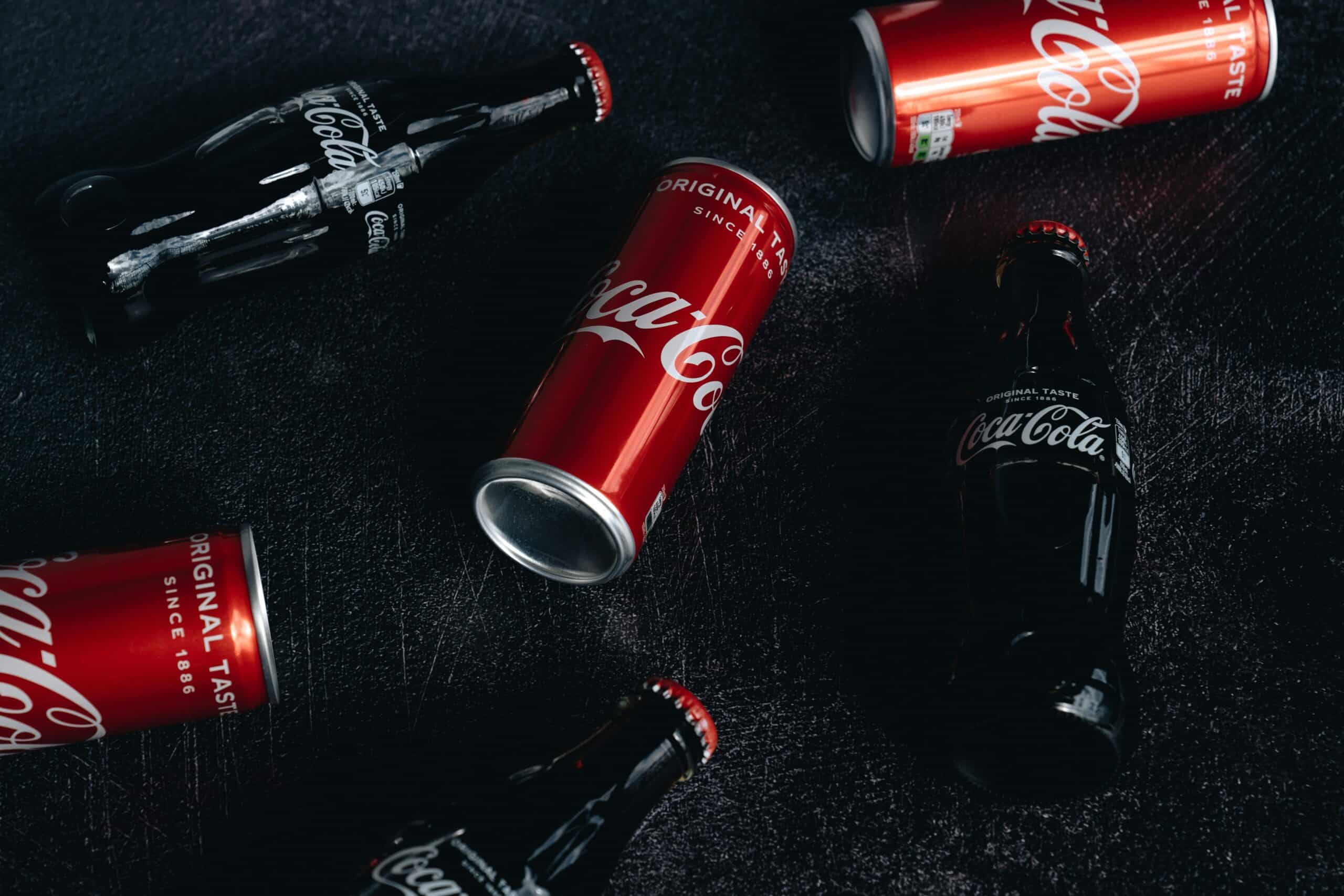
Coca-Cola is a global juggernaut in branding and marketing, crafting one of the most recognizable and beloved brands in history. The secret to its enduring success lies in its ability to foster emotional connections, deliver groundbreaking experiential marketing campaigns, and adapt to changing consumer landscapes. These efforts not only engage consumers but also strengthen the brand’s messaging by making it more personal and impactful, building lasting relationships and loyalty. In this article, we’ll explore the strategies that built Coca-Cola’s iconic status and how companies can replicate this success with the expertise of Towerhouse.
Introduction to Experiential Marketing
Experiential marketing is a dynamic marketing strategy that places the customer at the heart of the brand experience. Rather than relying solely on traditional advertising, experiential marketing campaigns invite consumers to actively participate in engaging, interactive campaigns that foster emotional connections and build brand loyalty. This approach has gained momentum as audiences increasingly seek out unique, memorable experiences that go beyond passive consumption. By leveraging event marketing, engagement marketing, and hands-on activations, brands can boost brand awareness, drive customer engagement, and leave a lasting impression. The most effective experiential marketing strategies are designed to captivate the target audience, turning everyday interactions into powerful marketing campaigns that resonate long after the event ends.
Building a Legacy: The Foundations of Coca-Cola’s Brand Identity
Coca-Cola’s rise to prominence began with the creation of a strong, consistent brand identity. From its inception in 1886, Coca-Cola emphasized uniformity in branding, ensuring its logo, packaging, and advertisements resonated universally. The classic red-and-white color scheme, paired with the iconic Spencerian script logo, is instantly recognizable across cultures and generations. Its contour bottle, designed to be identifiable even in the dark, exemplifies how attention to detail can create lasting impressions.
Beyond aesthetics, Coca-Cola’s messaging has always centered on universal themes such as happiness, friendship, and togetherness. Campaigns like “Open Happiness” and “Taste the Feeling” exemplify how the company taps into shared human emotions to transcend cultural boundaries. This emotional branding has made Coca-Cola more than just a beverage; it’s a symbol of joy and connection.
Traditional Marketing: The Roots of Coca-Cola’s Global Reach
Coca-Cola’s journey to becoming a household name began with the fundamentals of traditional marketing, iconic print ads, memorable jingles, and consistent branding across every touchpoint. These early marketing efforts laid the groundwork for global recognition and trust. However, as consumer expectations evolved, so did Coca-Cola’s approach. The brand began to incorporate experiential marketing events and tactics, blending the reliability of traditional marketing with the excitement of immersive brand experiences. For example, Coca-Cola’s involvement in the FIFA World Cup has gone beyond sponsorship, offering fans interactive installations and virtual reality experiences that bring the brand to life. By integrating experiential marketing tactics into its marketing funnel, Coca-Cola has created a brand experience that is both timeless and innovative, ensuring its continued relevance in a rapidly changing world.
The Power of Experiential Marketing: Bringing Coca-Cola to Life
One of Coca-Cola’s most effective strategies is its mastery of experiential marketing, creating immersive, memorable experiences that forge a deeper bond between the brand and its audience. Experiential marketing is effective because it builds brand awareness and loyalty by fostering strong emotional connections and encouraging active participation.
These memorable experiences are crafted with key elements in mind, such as memorable interactions, brand alignment, and opportunities for social sharing, all of which contribute to a successful experiential marketing campaign.
Experiential marketing is specifically designed to increase customer engagement through interactive and participatory events, making each encounter more impactful.
When Coca-Cola creates these experiences, the focus is on delivering an engaging experience that captures the audience’s attention and leaves a lasting impression.
By leveraging immersive experiences, whether through in-person activations or digital platforms, Coca-Cola helps forge deeper connections between the brand and consumers, making their marketing efforts truly stand out.
Experiential Marketers: The Creative Minds Behind the Magic
Behind every successful experiential marketing campaign is a team of experiential marketers, creative professionals who blend artistic vision with technical know-how. These experts are responsible for designing and executing interactive experiences that capture attention and spark emotional connections. By staying ahead of trends in augmented reality and virtual reality, experiential marketers craft memorable experiences that set brands apart from the competition. Their work goes beyond traditional marketing campaigns, focusing on customer engagement and brand loyalty through immersive storytelling and hands-on activities. Whether it’s a pop-up shop, a virtual event, or a large-scale brand activation, experiential marketers use their creativity and expertise to create memorable experiences that drive results and keep customers coming back.
Target Audience: Understanding and Inspiring Connection
A deep understanding of the target audience is the cornerstone of any effective experiential marketing campaign. Brands must invest in thorough market research to uncover the preferences, interests, and behaviors of their ideal customers. This insight allows marketers to tailor experiential marketing strategies that resonate on a personal level, whether targeting young women in major cities or engaging global audiences with shared values. By designing marketing campaigns that speak directly to the target audience, brands can foster emotional connections, increase brand loyalty, and maximize the impact of their marketing efforts. The result is a more meaningful brand experience that not only attracts attention but also inspires lasting engagement.
“Share a Coke”
The “Share a Coke” campaign is a great example of experiential marketing. By replacing its iconic logo with popular names, Coca-Cola created a highly personal and interactive experience. Consumers eagerly searched for their names or those of loved ones, turning what was once a standard purchase into an exciting treasure hunt. As one of several experiential marketing examples that have successfully engaged consumers, ‘Share a Coke’ stands out for its creativity and impact.
Social media further amplified the campaign, with users sharing photos of their personalized bottles, leading to billions of impressions globally. The use of branded hashtags encouraged even more sharing and increased campaign visibility, reinforcing Coca-Cola’s brand identity. ‘Share a Coke’ remains one of the most notable examples of experiential marketing, demonstrating its powerful impact on customer engagement and brand loyalty.
Happiness Machines
Coca-Cola’s “Happiness Machines” added a whimsical touch to its experiential efforts. These vending machines dispensed not only soda but also surprises like flowers, pizzas, and even live entertainment, providing a hands-on experience for consumers that made the interaction more memorable. By capturing these moments of joy and sharing them online, Coca-Cola extended the reach of its in-person experiences to a global audience. These activations helped Coca-Cola connect with potential customers in new and unexpected ways, further amplifying brand awareness.
Coca-Cola’s Experiential Marketing Campaigns and Stunts
The brand’s outdoor activations, such as giant soda installations and interactive billboards, demonstrate its ability to blur the lines between digital and physical engagement. These interactive billboards and installations serve as brand activations designed to engage consumers directly with the brand. Pop ups are another form of temporary, immersive brand engagement that Coca-Cola has used to create memorable experiences in high-traffic locations. For instance, its “Happiness Truck” traveled to various locations, delivering unexpected delights to unsuspecting passersby. These initiatives are ground marketing efforts that involve direct, physical interactions with consumers. The surprise elements in these stunts are designed to attract customers by creating memorable, shareable moments that encourage participation and word-of-mouth. Many of these surprise-driven activities can also be characterized as guerilla marketing campaigns, leveraging unconventional and attention-grabbing tactics to maximize impact.
Towerhouse, with its expertise in live event production and front-of-house design, can help clients execute similar experiential marketing campaigns. Their experience in live marketing and executing experiential campaigns ensures brands can drive results through real-time, interactive brand engagements. By blending creativity, technology, and human emotion, Towerhouse ensures brands leave lasting impressions on their audiences.
Brand Activation: Turning Moments into Movements
Brand activation is where experiential marketing truly shines, transforming individual moments into movements that drive customer engagement and brand loyalty. Through experiential marketing campaigns that feature pop-up shops, interactive installations, and virtual events, brands can create memorable experiences that leave a lasting impression. Effective brand activation relies on experiential marketing best practices, such as understanding the target audience, maintaining authenticity, and delivering experiences that align with brand values. By turning fleeting interactions into ongoing conversations, brands can increase brand awareness, inspire customer engagement, and build a loyal community. Whether through a creative pop-up in a major city or a virtual event that reaches global audiences, successful brand activation ensures that every experience is on brand and unforgettable.
Leveraging Technology: Coca-Cola in the Digital Age
Coca-Cola has embraced digital marketing as a complement to its experiential efforts, demonstrating how traditional and modern strategies can work in tandem. The brand uses digital ads alongside experiential marketing campaigns to reach a wider audience and maximize campaign visibility. Coca-Cola effectively coordinates its marketing across multiple channels, including digital platforms, social media, and in-person events, ensuring integrated and consistent brand messaging. Their innovative campaigns often include the creation of digital experiences that engage consumers online, making the brand accessible anytime and anywhere. Additionally, Coca-Cola incorporates virtual experiences, such as livestreams and hybrid events, as part of its modern experiential marketing approach to engage global audiences. Leveraging technology, Coca-Cola recognizes the crucial role of data analytics and event technology in measuring and enhancing the impact of its experiential marketing initiatives.
Social Media as a Catalyst
Coca-Cola leverages platforms like Instagram, TikTok, and Twitter to extend the life of its campaigns. Hashtags like #ShareACoke encourage user-generated content, turning consumers into brand advocates. These digital interactions amplify the reach and impact of Coca-Cola’s experiential activations.
Augmented Reality (AR) and Virtual Reality (VR)
In recent years, Coca-Cola has explored augmented reality (AR) and virtual reality (VR) to create cutting-edge consumer experiences. For example, AR-enabled packaging has allowed users to access immersive content through their smartphones, while VR campaigns transport consumers to branded virtual worlds. These innovations not only engage tech-savvy audiences but also position Coca-Cola as a forward-thinking brand.
Towerhouse excels at integrating AR and VR into experiential marketing strategies, helping brands harness these technologies to captivate their audiences. From virtual product launches to interactive installations, Towerhouse ensures that clients remain at the forefront of innovation.
Strategic Partnerships and Sponsorships
Many brands are leveraging strategic partnerships to enhance their experiential marketing strategies, recognizing the widespread adoption and effectiveness of this approach.
Coca-Cola’s global partnerships, such as its affiliation with the Olympics and FIFA World Cup, have further cemented its status as a cultural icon. These sponsorships align Coca-Cola with excellence and unity, reinforcing its core values. Additionally, collaborations with influencers, artists, and other brands allow Coca-Cola to reach new demographics while maintaining its authenticity. Building these relationships also helps cultivate loyal customers through exclusive events and personalized experiences, deepening engagement and encouraging word-of-mouth promotion.
Towerhouse understands the importance of strategic alliances in experiential marketing. By identifying opportunities for meaningful partnerships, Towerhouse helps brands amplify their message and connect with diverse audiences. Brands should consider incorporating experiential marketing into their next marketing campaign to maximize engagement and strengthen brand connections. Measuring the effectiveness of these partnerships is crucial, as tracking revenue impact, such as brand conversions, purchase intent, and customer feedback, demonstrates the financial outcomes of experiential marketing efforts. Collecting data and feedback from these collaborations provides actionable insights that can inform and improve future marketing strategies.
Frequently Asked Questions
Why is Coca-Cola often considered a leader in experiential marketing?
Because it consistently focuses on emotion, not just product promotion. Its campaigns create real human moments that people remember and share. That emotional connection is what sets it apart.
How did Coca-Cola evolve from traditional marketing to experiential marketing?
It started with strong, consistent branding and storytelling. Over time, it layered in interactive experiences that brought those stories to life. This shift helped the brand stay relevant in a changing market.
What makes campaigns like “Share a Coke” so effective?
They feel personal and participatory. Instead of talking at consumers, they invite them into the experience. That sense of ownership drives engagement and sharing.
How important is technology in Coca-Cola’s marketing strategy?
Technology enhances the experience but doesn’t replace the core idea. Tools like AR and VR make campaigns more immersive and interactive. However, the emotional connection always comes first.
What role does storytelling play in experiential marketing?
Storytelling gives meaning to the experience. It turns a simple interaction into something memorable and emotionally engaging. Without a story, even the most creative activation can feel empty.
Build a Brand People Don’t Just Recognize, But Remember
The difference between a good brand and a great one is how it makes people feel. With Towerhouse Global, you can create experiences that turn everyday interactions into lasting connections, and lasting impact.